Bibury residents cite intrusive tourism as councillor prepares to leave village
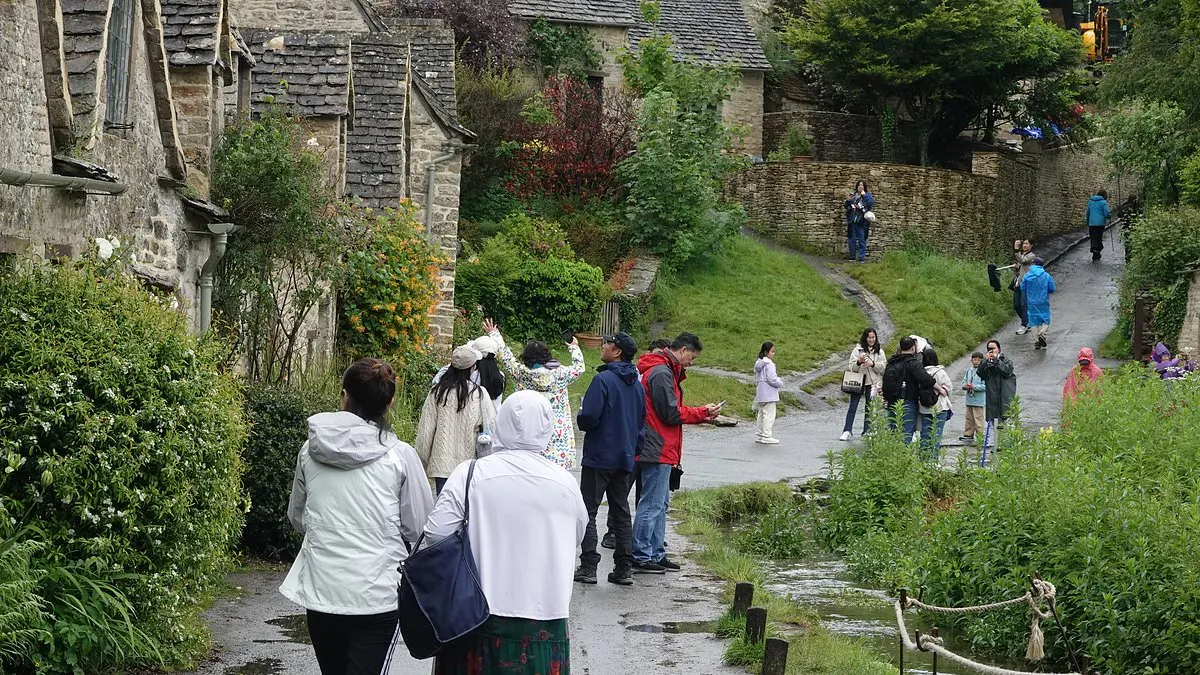
Bibury residents say heavy tourist traffic is disrupting daily life in the Gloucestershire village, with some describing intrusive behaviour around their homes. The complaints have become serious enough that parish councillor Brian Skarda says he and his wife are leaving after 14 years, raising questions about how popular destinations can welcome visitors while protecting residents’ privacy.
The village has about 600 residents but can receive up to 20,000 visitors on some weekends. Locals report coaches blocking narrow roads, parking disputes, tourists picnicking in gardens and phones being pushed through letterboxes to film inside homes; some have posted multilingual “private, no entry” signs. Bibury’s appeal includes its 17th-century weavers’ cottages and social media exposure, while its links to Japanese royal history have also drawn visitors.
- Bibury can draw up to 20,000 visitors on some weekends.
- Residents describe traffic, trespassing and privacy concerns.
- A parish councillor says he and his wife are leaving.
New here? Start with this
Bibury is a small Gloucestershire village of around 600 residents, known for its 17th-century stone cottages and countryside setting. It has become a major tourist destination, attracting up to 20,000 visitors on some weekends, largely due to social media exposure and historical associations.
Residents have reported serious disruptions from the volume of tourism, including coaches blocking narrow village roads and parking problems. Some describe particularly intrusive behaviour such as tourists pushing phones through letterboxes to film inside homes and picnicking in private gardens, prompting residents to post multilingual signs declaring their properties private.
The situation illustrates a wider challenge for popular destinations: balancing tourism's benefits with residents' privacy and quality of life. The concern has become serious enough that some long-standing residents, including parish councillor Brian Skarda and his wife, have decided to leave the village after 14 years.
Both sides, in good faith
The strongest fair case each way — we don't pick a winner.
The case for
Residents have a fundamental right to enjoy their homes and community without constant intrusion or disruption. The scale of tourism—up to 20,000 visitors on weekend days to a village of 600—creates conditions where people cannot safely or privately inhabit their own properties; tourists blocking roads, filming through windows, and trespassing in gardens represent serious violations of residents' right to live undisturbed lives. When established community members like Councillor Skarda, who has lived there for 14 years, are forced to leave because daily existence has become untenable, it suggests the village has crossed a threshold where resident wellbeing has been sacrificed entirely to tourism.
The case against
Tourism is often a vital economic engine for rural communities, supporting local businesses, employment, and the very infrastructure that residents depend upon. Visitors to Bibury are exercising a legitimate right to experience publicly accessible beauty, and the village's picturesque character will naturally draw interest. Rather than discourage tourism, sustainable solutions lie in better management—traffic restrictions, parking systems, visitor education, and potentially timed or ticketed entry—which protect residents while maintaining the economic benefits that keep villages like this viable and thriving.
Read the full article at the source →
Originally published by Daily Mail as “They shove camera phones through our letterboxes and now we’ve had enough: Residents of Britain’s ‘most beautiful village’ rebel against the Instagram-happy tourists”.