Entertainment news and discussion on TalkFuse.
They’re more complicated and more expensive than LCD screens, but your next gaming monitor should still be an OLED
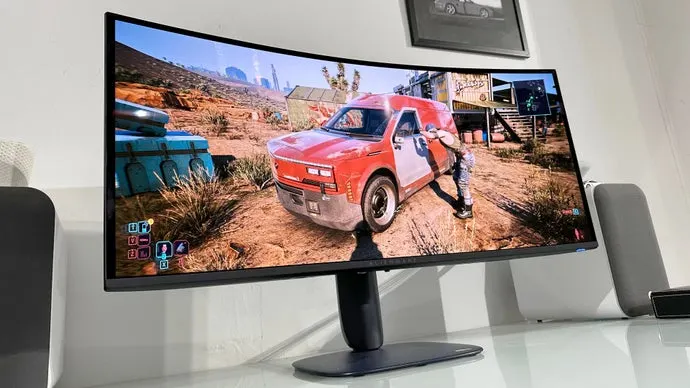
The article argues that OLED is the better choice for a gaming monitor because it offers more precise lighting and faster pixel response than LCD. Its self-lit pixels can switch off completely beside bright ones, producing stronger contrast and more convincing HDR, while avoiding the blooming and uneven dimming that can affect LCD screens.
OLED monitors still have drawbacks, especially the risk of burn-in as organic pixels wear with use, and they can cost more than LCD models. The article notes that some OLED gaming monitors now cost less than £300, but says choosing among the many panel types and models is complicated; LCD remains capable, though its backlight and liquid-crystal design limit picture control and speed.
In short
- OLED pixels deliver sharper contrast and more convincing HDR.
- They also respond faster than LCD panels.
- Burn-in, cost and model complexity remain concerns.
Steelman: both sides, in good faith
The strongest fair case each way — we don't pick a winner.
The case for
OLED can offer deeper blacks, more precise contrast and faster pixel response than LCD, which can make games look more vivid and motion appear clearer. For gamers who value image quality and responsiveness, falling prices make those benefits increasingly accessible.
The case against
LCD remains a capable choice and can provide good gaming performance at a lower cost, without the same concern about organic pixels wearing unevenly and causing burn-in. OLED’s range of panel types and models can also make choosing harder, so its picture advantages may not justify the extra expense or upkeep for every buyer.
Explained simply
Gaming monitors use either LCD or OLED technology to make a picture. LCD screens control light from a backlight using liquid crystals, while each OLED pixel produces its own light and can switch off completely.
That difference can give OLED screens deeper blacks, stronger contrast and quicker responses, qualities that can matter in fast-moving games. OLED pixels may wear unevenly over time, leaving a lasting mark called burn-in, and these monitors have often cost more than LCD models.
LCD monitors remain widely used and can offer good picture quality, but their shared backlight gives them less precise control over light and dark areas. The choice matters to gamers weighing picture performance, price and how long they expect to use a screen.