Entertainment news and discussion on TalkFuse.
This 40-Year-Old Video Game Is Somehow More Fun Than Ever
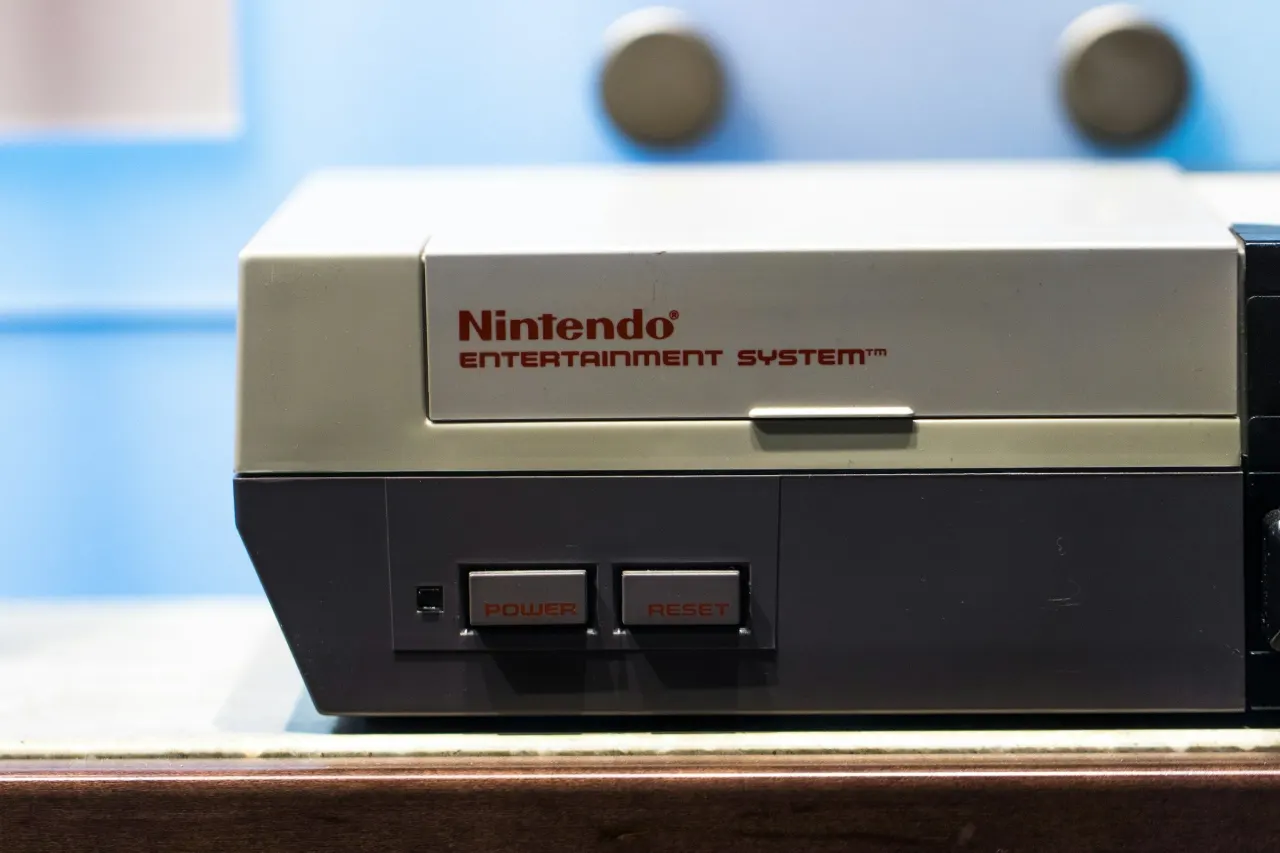
Mario Bros., originally released in arcades by Nintendo in July 1983, introduced the iconic character's name and created Luigi to enable two-player gameplay—a feature that significantly increased arcade revenue potential. The game remains engaging today due to its refined platforming mechanics and depth, which rewards skilled play with combo systems and high-score strategies. Despite being overshadowed by the later Super Mario Bros., the original remains a compelling piece of gaming history that holds up remarkably well.
The game features a sewage-themed setting where Mario and Luigi battle enemies emerging from pipes, including turtles, crabs, and flies, each requiring different strategies to defeat. Hazards such as fireballs and moving ice blocks add complexity to the standard platforming challenges. The scoring system encourages creative play, with combos starting at 800 points for the first enemy and doubling to 1,600 for a second consecutive defeat, whilst bonus stages offer coin-collection challenges. Following its arcade release, Nintendo licensed ports to various platforms, with an official NES version arriving in North America in 1986 via developer Intelligent Systems.
In short
- Mario Bros. (1983) introduced Luigi for two-player arcade gameplay
- Game mechanics reward skill and strategic enemy combinations
- Remains engaging today despite being four decades old
Explained simply
Mario Bros. is a Nintendo arcade game first released in 1983. It introduced Mario as a character name and added his brother Luigi so two people could play together. The game takes place among pipes, where the brothers face creatures such as turtles, crabs and flies.
Players knock enemies over from below, then kick them away, while avoiding hazards including fireballs and sliding ice. Different enemies and obstacles call for different tactics, and defeating enemies in quick succession earns higher scores. The game was later adapted for other systems, including the Nintendo Entertainment System, or NES.