Culture news and discussion on TalkFuse.
This ’60s Western Masterpiece Is Perfect from Start to Finish
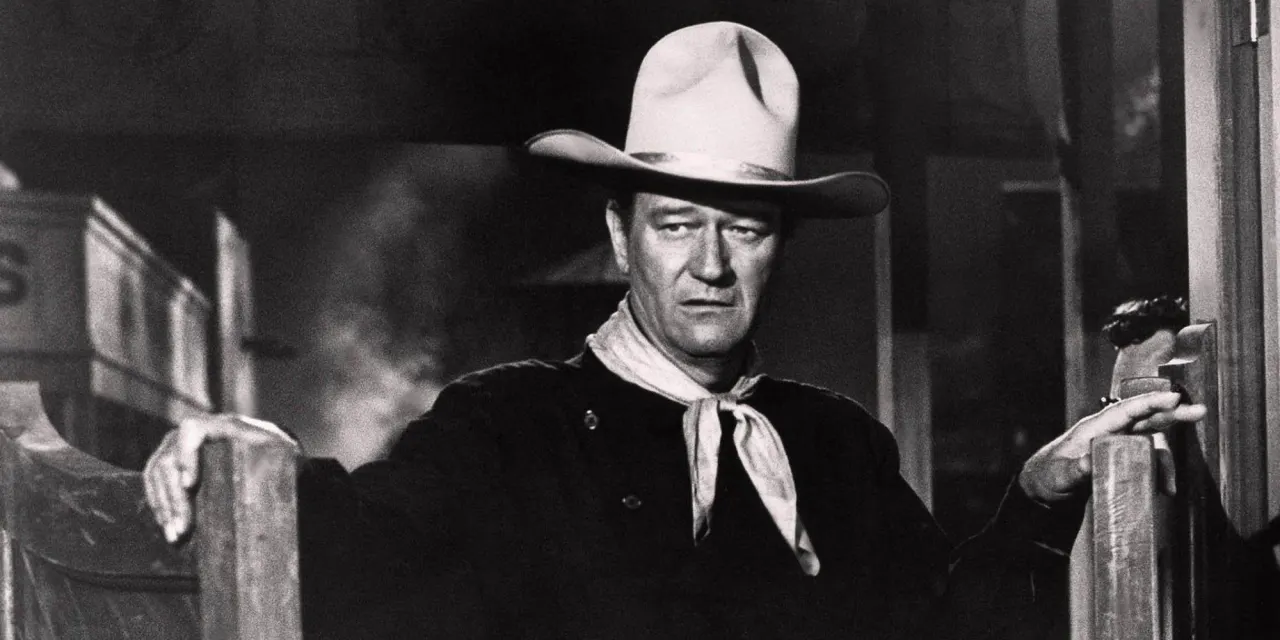
The Man Who Shot Liberty Valance, the first on-screen pairing of John Wayne and James Stewart, is now streaming free on Tubi, prompting renewed appreciation for John Ford's 1962 black-and-white Western. The film is notable both as a landmark collaboration between two of Hollywood's biggest stars and as a reflective work that seemed to anticipate the genre's coming decline, arriving just before Spaghetti Westerns and revisionist "New Hollywood" films reshaped the genre in the 1960s.
Set in the frontier town of Shinbone, the story follows Ransom "Ranse" Stoddard (Stewart), a progressive newcomer menaced by outlaw Liberty Valance (Lee Marvin), and Tom Doniphon (Wayne), a rougher frontier figure who intervenes on his behalf, with Vera Miles's Hallie caught between them. Critics highlight Ford's exploration of myth-making in the Old West, encapsulated in the film's famous line "When the legend becomes fact, print the legend," alongside his deliberate use of black-and-white cinematography, a departure from the colour used in his earlier film The Searchers. The film is widely regarded as marking the close of the Western's "Golden Age."
In short
- Classic Ford Western is now streaming free on Tubi
- First-ever pairing of John Wayne and James Stewart on screen
- Seen as reflecting on the Western genre's own decline
Explained simply
The Man Who Shot Liberty Valance is a 1962 Western film directed by legendary filmmaker John Ford, notable as the first on-screen pairing of two of Hollywood's biggest stars, John Wayne and James Stewart. The story unfolds in a frontier town called Shinbone and follows these two contrasting characters as they become caught up in a conflict with a brutal outlaw. This collaboration between two major actors was a significant moment in cinema history.
The film centres on Ransom Stoddard, played by Stewart, a progressive newcomer to town who faces menace from the outlaw Liberty Valance. John Wayne plays Tom Doniphon, a rougher frontier figure who intervenes to help him, whilst Vera Miles portrays Hallie, a woman caught between the two men. At its heart, the film explores how legends and myths are created in the Old West, questioning what people choose to believe versus what actually happened.
The film is notable for its deliberate use of black-and-white cinematography at a time when colour had already become standard in Hollywood. It arrived at a pivotal moment in cinema history, just before Westerns would be transformed by Spaghetti Western films and the revisionist approach of "New Hollywood" directors. Many regard it as marking the end of the Western genre's "Golden Age" in American cinema.
Art Celebrity Culture Entertainment