This 70s Glam Rock Icon Was a Bigger Star Than David Bowie
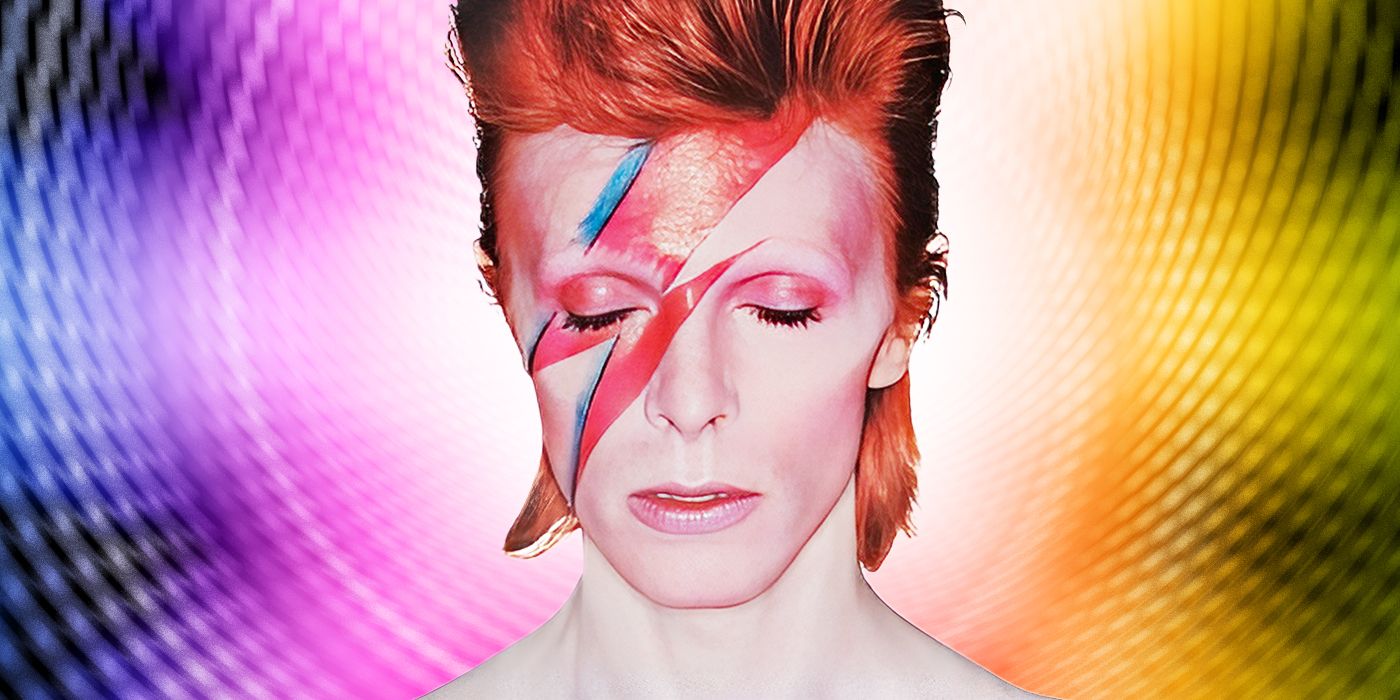
David Bowie's status as a glam rock icon of the early 1970s owed much to Ziggy Stardust, a fictional alter-ego he created rather than simply a fashion phase. The character, distinguished by an orange mullet, bold face paint and flamboyant outfits, became central to Bowie's 1972 album The Rise and Fall of Ziggy Stardust and the Spiders from Mars and the accompanying tour, propelling him from cult figure to superstar.
Ziggy Stardust was conceived as an androgynous, intergalactic messenger sent to warn earth of impending apocalypse and inspire hope through rock music, guided by alien advisers called the "infinites." Within the story, Ziggy is worshipped by devoted fans as a prophet of an alien saviour, but his growing arrogance in claiming to be that saviour himself leads to his downfall, as fans tear him apart on stage. Bowie retired the persona on 13 July 1973 at London's Hammersmith Odeon, saying his invented character had become too entangled with his real life.
- Ziggy Stardust was Bowie's fictional 1972 glam rock alter-ego.
- The character drove Bowie's rise to superstardom during that era.
- Bowie killed off Ziggy on stage in London in July 1973.