Culture news and discussion on TalkFuse.
WiCi unveils Wi-Fi 7 external GPU for laptops
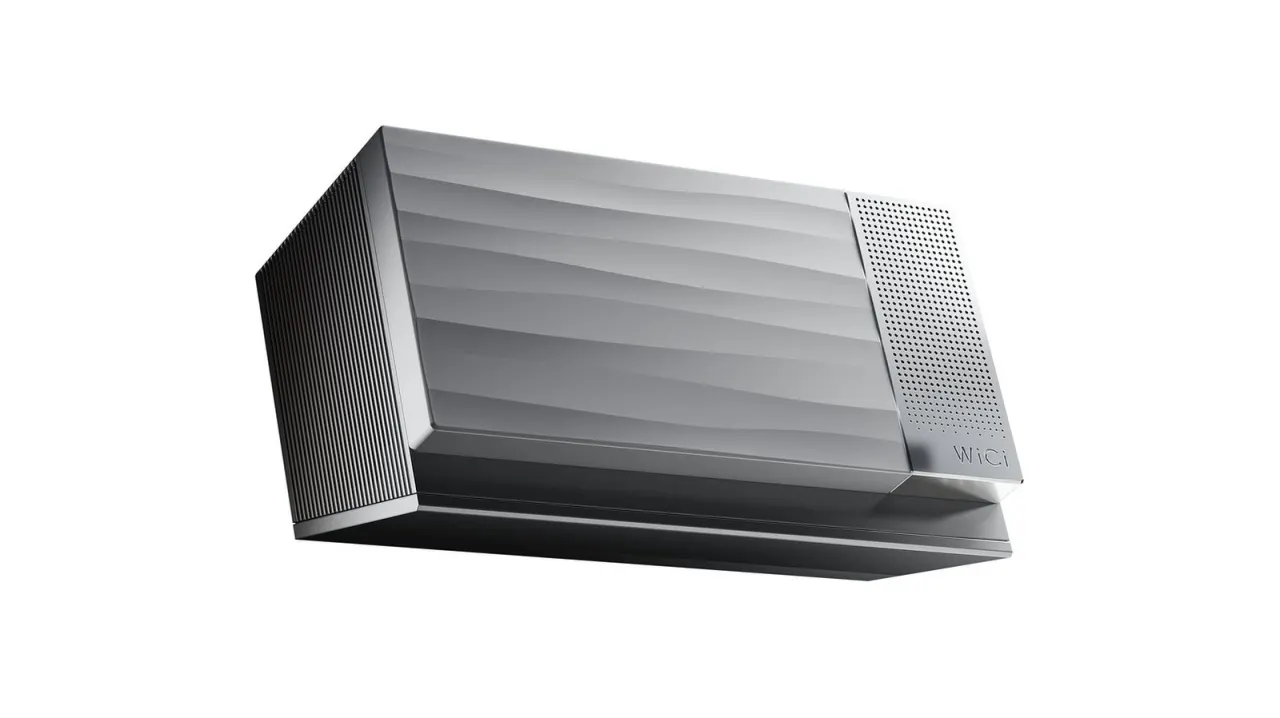
WiCi has introduced the WiCi One, a wireless external GPU that connects to laptops and other devices via Wi-Fi 7 rather than traditional cables like Thunderbolt or OCuLink. This innovation allows users to maintain the slim profile of portable laptops whilst still accessing powerful graphics capabilities for demanding games and AI workloads. The base model includes an Nvidia RTX 5060 Ti 16GB GPU, Intel Core 3 100U CPU, and 1TB of storage, currently available for preorder at $1,999 with a planned retail price of $2,599. WiCi claims the base model can run Cyberpunk 2077 at 4K Ultra settings with DLSS 4 at 80 frames per second and Black Myth: Wukong at 4K Cinematic at 60 fps, whilst also supporting heavy AI tasks and local AI assistants. A more powerful variant featuring an RTX 5090 32GB, Intel Core Ultra 7 225H, and 4TB storage is planned, with shipping expected to begin in the fourth quarter of 2026.
In short
- Wireless eGPU connects via Wi-Fi 7, eliminating cable requirements
- Base model priced at $1,999 preorder, $2,599 retail
- Handles 4K gaming and demanding AI workloads, ships Q4 2026
Steelman: both sides, in good faith
The strongest fair case each way — we don't pick a winner.
The case for
Supporters contend this represents genuine innovation addressing a real market gap where gamers and AI professionals want powerful mobile workstations without sacrificing portability. Wi-Fi 7's bandwidth (46 Gbps theoretical) exceeds many wired alternatives, and the wireless approach offers practical flexibility for office, café, and remote work scenarios. At $1,999, the base model delivers meaningful choice: users prioritising slim, portable devices no longer compromise on graphics performance, and marginal latency differences prove imperceptible in real-world conditions for most applications.
The case against
Sceptics contend wireless remains fundamentally unsuitable for GPU workloads despite Wi-Fi 7's bandwidth claims. Gaming and AI tasks are latency-sensitive; wireless interference, jitter, and range limitations will degrade frame rates and responsiveness in ways users notice and find frustrating. Traditional wired connections offer reliability, consistent power delivery, and thermal management wireless cannot match. At nearly $2,000, the premium pricing for an unproven, potentially compromised solution raises questions about genuine value, and the performance claims deserve scepticism until independent testing confirms real-world results across varied network conditions.
Explained simply
An external graphics processing unit is a separate device that boosts a laptop's ability to handle demanding tasks like gaming and artificial intelligence work. Laptops are designed to be thin and light, but this usually means they lack the powerful graphics components found in larger desktop computers.
External GPUs have existed for some years and typically connect to laptops using physical cables, which limits how freely users can move around with them. A company called WiCi has developed a new approach that replaces these cables with a wireless connection, aiming to preserve the portability of laptop computing.
A wireless connection using Wi-Fi 7 would allow users to access powerful graphics without being physically tethered to the external device, potentially combining desktop-level performance with laptop portability. This represents a shift from the cable-based external GPUs that have dominated the market until now.
Art Celebrity Culture Entertainment Gaming
Read the full article at the source →
Originally published by Engadget as “This external GPU uses Wi-Fi to transform any device into a gaming rig”.