World news and discussion on TalkFuse.
Victorian Coalition wins majority as Jess Wilson prepares to become premier
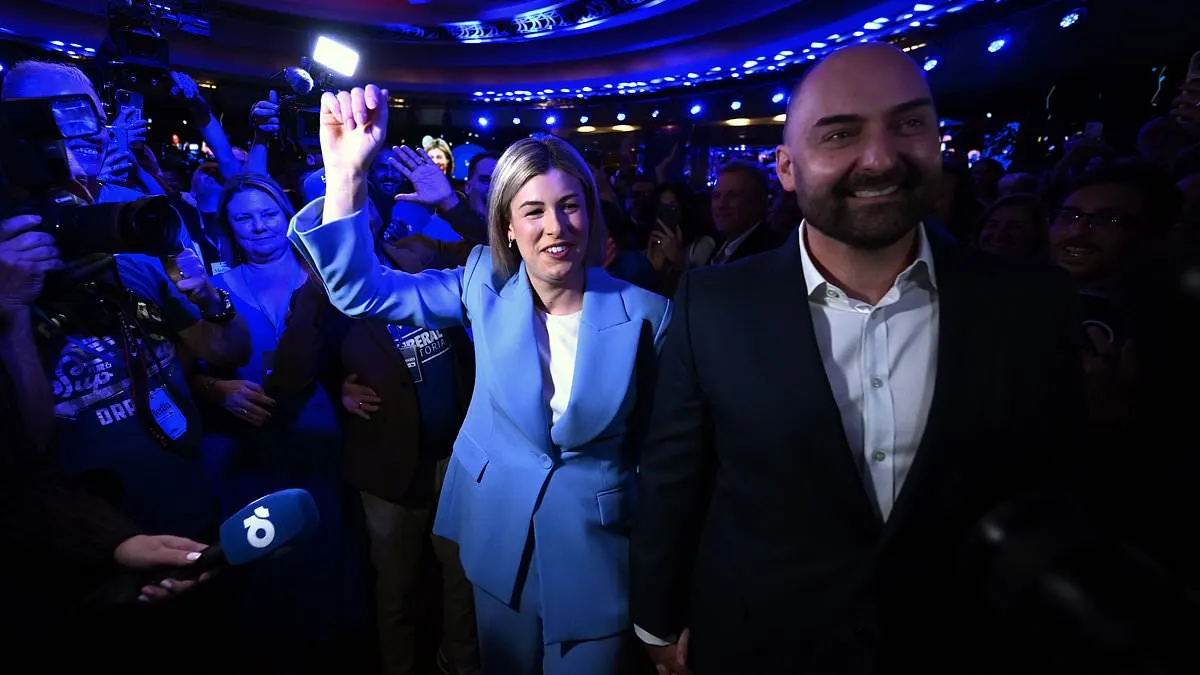
The Coalition of the Liberal and National parties has won a majority in the Victorian state election, and first-term MP Jess Wilson is set to become premier. The result is a heavy defeat for Labor, which lost ground even in metropolitan Melbourne, and the article argues it offers lessons for federal Liberals. Counting was still under way when the article was written.
The Coalition will govern without needing crossbench support in the lower house. Premier Ben Carroll, who took over only months earlier, lost his seat, the first Victorian premier in 80 years to do so. One Nation has built a large team in the upper house and may hold the balance of power there, while the Greens could overtake Labor as the official opposition. On debt, Wilson's campaign costings put net debt at $176 billion by the end of the decade, about $20 billion below the inherited forecast, though debt will still rise.
In short
- Coalition wins outright majority in Victoria, with Jess Wilson set to be premier.
- Labor suffers heavy losses; Ben Carroll loses his seat.
- Greens may become official opposition; One Nation could hold upper house balance.
Explained simply
Victoria is one of Australia's six states. It has its own parliament, which runs services such as schools, hospitals, public transport and policing, separately from the national government in Canberra. Voters elect 88 members to the Legislative Assembly, the lower house, and the party or group that can command a majority there forms the government and chooses the premier, the state's equivalent of a prime minister. The main contest is usually between the Labor Party, which has governed the state since 2014, and a Coalition of the Liberal and National parties.
The two leading figures are Ben Carroll, the Labor premier who took over only months before the vote, and Jess Wilson, a relatively new Liberal MP who is expected to lead the next government. The upper house, the Legislative Council, is elected differently and gives smaller parties, including the populist One Nation and the Greens, a greater say. Laws must pass both houses, so minor parties and independents in the upper house can influence what a government is able to pass.
State finances have become a central issue, with both sides setting out plans on borrowing and on how much debt the state will carry in the coming years. Results in Victoria are also watched closely by federal parties, because state contests are often read as signals of wider voter moods ahead of national elections.
Read the full article at the source →
Originally published by Daily Mail as “This is an earthquake. The ‘wokest’ state wiped out Labor for a generation and gave the keys to a nobody in Jess Wilson. The Greens could be the official Opposition! Is it a sign of things to come?: PVO”.