Culture news and discussion on TalkFuse.
This Legendary Grunge Band was Kicked Out of Their Own Album Release Party
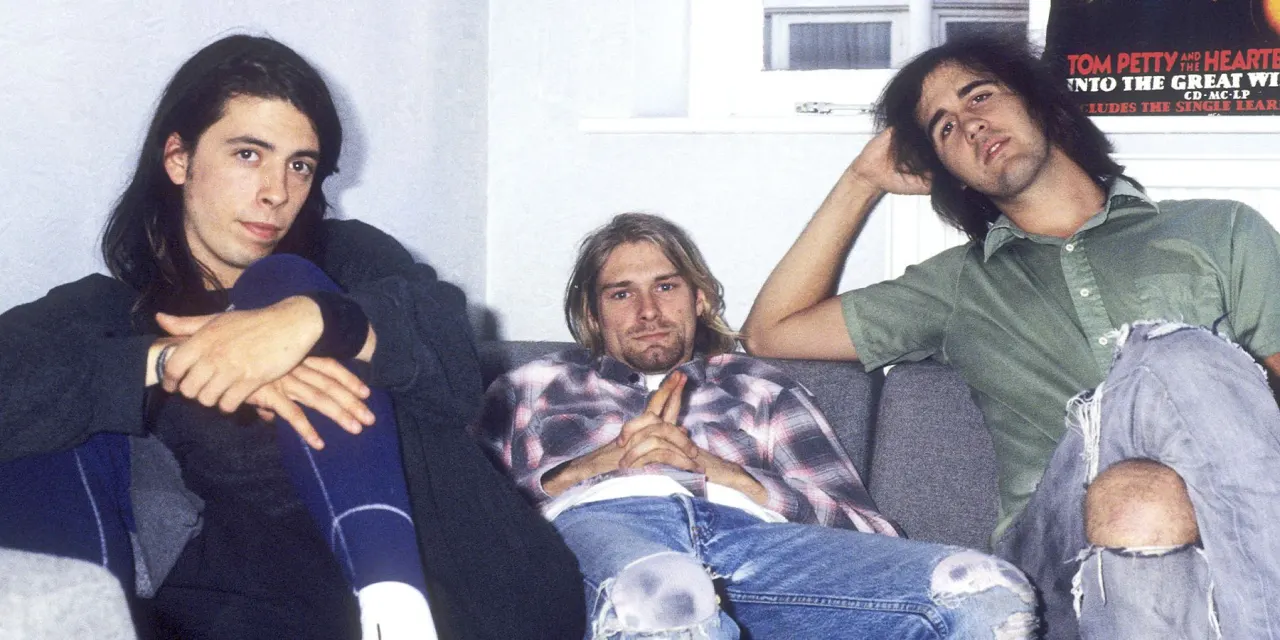
When Nirvana's grunge classic "Nevermind" was released in September 1991, the band's label, DCG Records, arranged a launch party at Re-bar, a small, unpretentious Seattle venue popular with the punk, grunge and LGBTQ+ community. Rather than the informal gathering of friends and fans the band would have preferred, the label transformed it into a corporate networking event filled with executives, industry suits and music critics, decorated with posters and photographs of a famously camera-shy Kurt Cobain.
The band members, Cobain, Dave Grohl and Krist Novoselic, initially played along, signing autographs and making polite conversation despite their discomfort with the staged atmosphere. As the night wore on, their patience wore thin, and the trio eventually rebelled against the sanitised event that so starkly contrasted with the raw, anti-establishment ethos that defined their music and image.
In short
- Nirvana's 1991 "Nevermind" launch party was turned into a corporate event
- The band grew uncomfortable amid executives, suits and critics
- Kurt Cobain, Dave Grohl and Krist Novoselic eventually rebelled against it
Steelman: both sides, in good faith
The strongest fair case each way — we don't pick a winner.
The case for
The band had every right to expect their album's release celebration to reflect their values and preferences rather than be commandeered by their label's corporate agenda. Transforming an intimate gathering into a formal networking event, particularly one featuring uncomfortable promotional imagery of a famously camera-shy Kurt Cobain, represented a fundamental disrespect for the artists' autonomy and the raw, anti-establishment ethos central to their identity. When a label's business interests directly contradict an artist's stated preferences and wellbeing, the artist's voice should carry primary weight.
The case against
Record labels routinely invest substantial capital in albums and have legitimate business interests in using launch events as strategic networking opportunities with radio programmers, distributors, retailers and industry press—all of whom influence commercial success. The label's approach of creating a professional event rather than an informal gathering was standard industry practice aimed at maximising the album's visibility and commercial potential. The label had sound grounds to leverage its investment through the event, even if this created some discomfort for the band members involved.
Explained simply
Nirvana were a band from Seattle whose second album, Nevermind, helped bring grunge music to a much wider audience in the early 1990s. Grunge combined elements of punk and heavy rock, and Nirvana’s music became associated with a rougher, less polished alternative to mainstream pop.
The band’s three members were singer and guitarist Kurt Cobain, drummer Dave Grohl and bassist Krist Novoselic. Their label, DGC Records, released the album in 1991; Re-bar was a small Seattle venue known for its punk, grunge and LGBTQ+ community.
The contrast between Nirvana’s anti-establishment image and the music industry’s promotion of them became part of the story around the band. Knowing that context helps explain why a label-organised event could feel at odds with the music and the audience the band was associated with.
Art Culture Entertainment Food Music