This Paranormal Fantasy Novel Is Getting a TV Adaptation, and It’s Perfect for Halloween
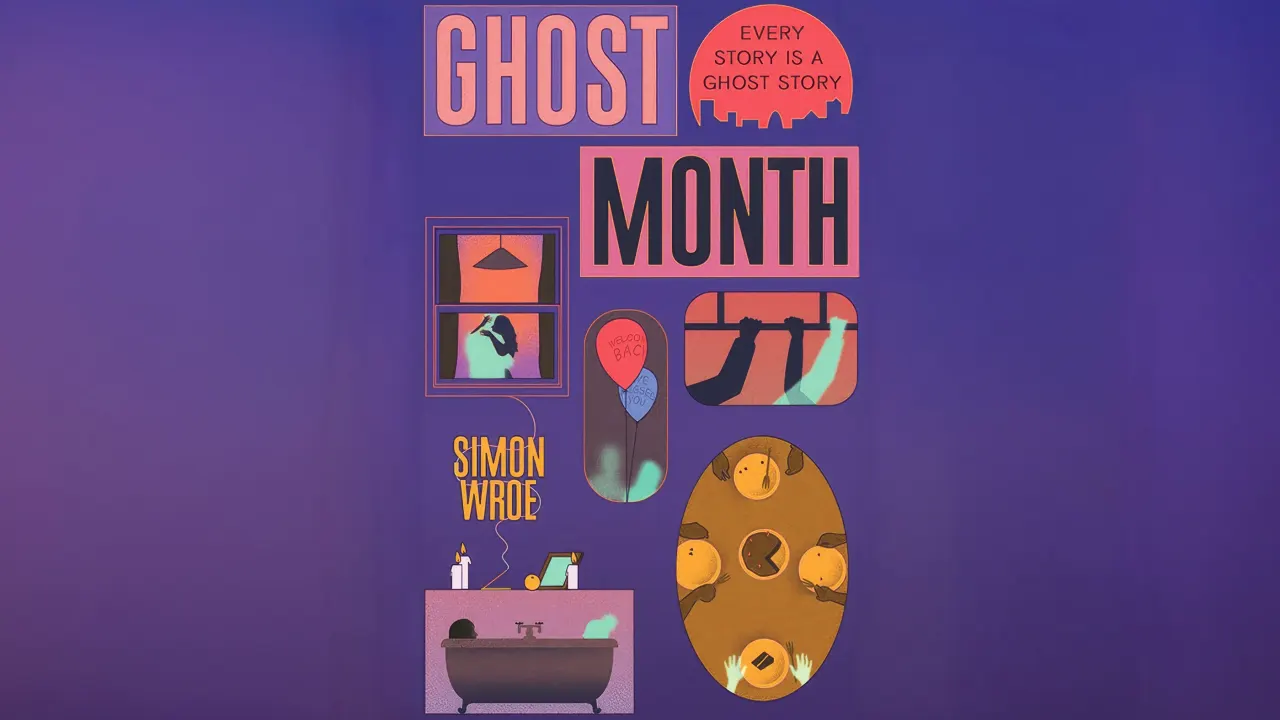
Simon Wroe’s paranormal fantasy novel *Ghost Month* is being adapted for television, bringing its modern London story of the dead returning to visit the living to a new audience. The book uses its supernatural premise to explore grief, mental health, capitalism and the divide between rich and poor.
In the novel, spirits return each September for four weeks, and society has built a holiday and commercial services around their visits. Its four central characters, including a grieving 10-year-old, a schoolteacher dreading her mother’s ghost and a homeless woman, each face unresolved questions from their past. The article describes the story as darkly comic as well as reflective, with ghosts tied to truths, betrayals or crimes left unresolved.
- Simon Wroe’s *Ghost Month* is getting a TV adaptation.
- The novel’s ghosts return each September for four weeks.
- Its characters confront grief and unresolved pasts in modern London.
New here? Start with this
Ghost Month is a paranormal fantasy set in modern London, where the dead return to visit the living for four weeks each September. Over time, people have built a holiday and businesses around these visits, making the supernatural part of everyday life.
The story follows four people, including a grieving child, a teacher who fears seeing her mother’s ghost and a homeless woman. Their encounters with the dead bring unresolved grief and past events to the surface.
The novel uses its ghostly setting to explore how people deal with loss and mental health, and how wealth and poverty shape their lives. Its mix of dark comedy and supernatural mystery gives those themes a fantastical frame.