“This was not a Creative Assembly developed game”: Total War boss points the finger at external partner for Shogun 2 Complete Edition disaster
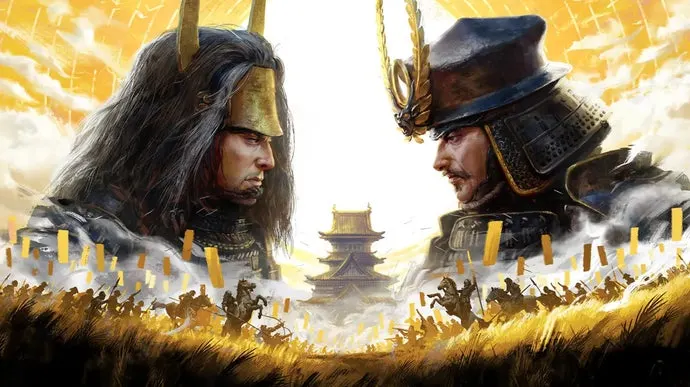
Creative Assembly and Sega removed Total War: Shogun 2: Complete Edition from sale on Steam after players reported technical problems and found art that appeared to be AI-generated. Total War vice president Roger Collum apologised, saying the game was developed externally and did not receive the studio’s usual reviews and quality checks, while acknowledging that Creative Assembly had not kept close enough oversight.
Collum said the studio forbids generative AI for game assets, including art, and expects external partners to follow the same rule; the disputed artwork is under investigation. He said AI tools are used internally for support tasks such as analysis, debugging and prototyping, and that Sega and senior developers are working with the external team on next steps. The partner was not named, though Mataboo Games is listed as a co-developer on Steam; the original game’s page has been restored, while the Complete Edition remains unavailable and has overwhelmingly negative reviews.
In short
- Shogun 2: Complete Edition was pulled from Steam after complaints.
- Creative Assembly says external development missed its usual quality checks.
- The studio prohibits AI-generated game assets and is investigating the artwork.
Steelman: both sides, in good faith
The strongest fair case each way — we don't pick a winner.
The case for
A complete edition released under Creative Assembly’s name should meet the studio’s quality and asset standards, even when an external partner does much of the work. The removal, apology and investigation can be seen as appropriate steps to address technical problems and possible rule-breaking, while the studio’s acknowledgement of weak oversight recognises its responsibility to players.
The case against
Players could reasonably argue that Creative Assembly and Sega remain accountable for a product sold under their brands, regardless of who developed it. Pointing to an unnamed external partner may therefore seem insufficient unless the companies explain how their review process failed, establish what happened with the disputed artwork, and show how they will prevent similar problems.