Politics news and discussion on TalkFuse.
This Week’s Election Returns Confirm That Money Can’t Buy Politicians Love
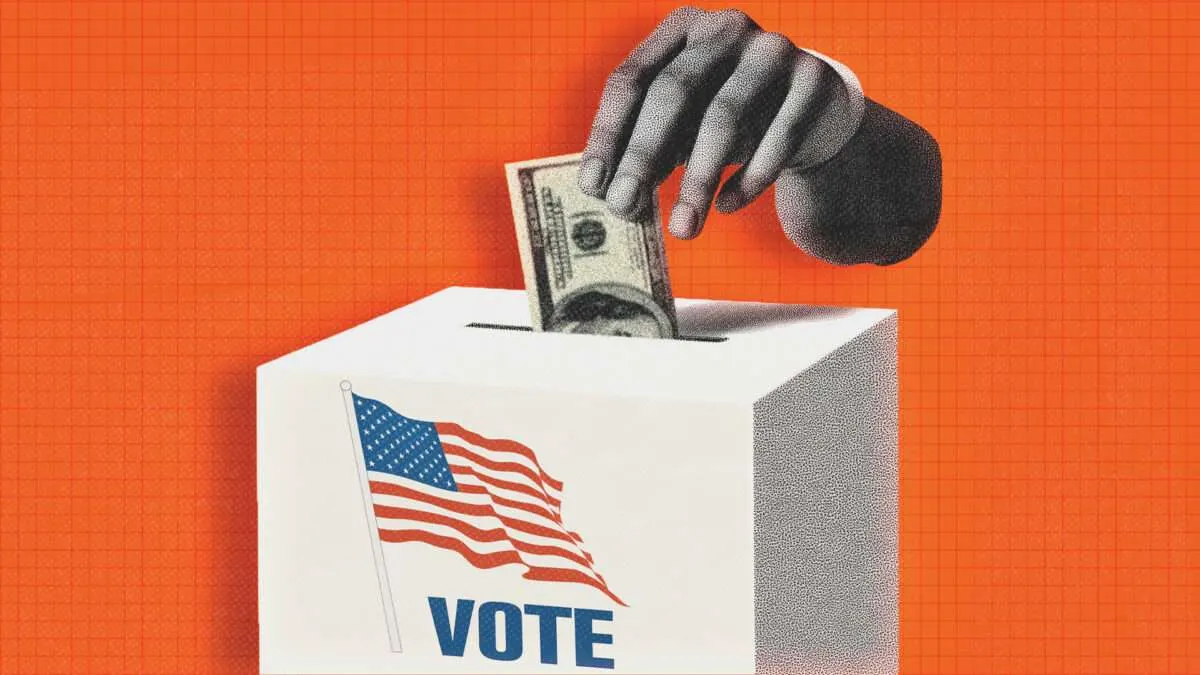
The article argues that the 2026 US midterm results show campaign spending does not guarantee electoral success. In Texas, Democrat James Talarico defeated Republican Ken Paxton by 12 points despite Paxton and his supporters spending substantially more, while Democrats also won several other statewide races.
Texas’s Senate contest drew $573 million in advertising by 30 October, making it the most expensive non-presidential race on record, according to AdImpact. Elsewhere, Democrat Amy Acton beat Republican Vivek Ramaswamy in Ohio despite being outspent nearly three to one, and Georgia Republican Rick Jackson lost after spending far more than Democrat Keisha Lance Bottoms. The article says campaign money can help candidates reach and motivate voters, but cites research suggesting advertising has limited power to change their minds.
In short
- Texas’s record spending did not prevent Paxton’s 12-point defeat.
- Democrats won several Texas statewide races despite being heavily outspent.
- Campaign funding can help reach voters, but does not assure victory.
Steelman: both sides, in good faith
The strongest fair case each way — we don't pick a winner.
The case for
The results suggest that even enormous spending cannot overcome voters’ judgements about a candidate, the issues or the political climate. Money can help campaigns reach and mobilise people, but its influence on vote choice may be limited, so outspending an opponent is no guarantee of success.
The case against
A few races cannot show that campaign spending has little effect: the candidates who lost might have done worse without their spending advantage, and spending totals do not measure the effectiveness or timing of each campaign’s outreach. Money can still help candidates build name recognition, organise supporters and shape which messages voters hear, even when it does not secure victory.
Explained simply
US midterm elections take place halfway through a president’s four-year term. Voters choose members of Congress and, in many states, governors and other state officials; Texas, Ohio and Georgia are among the states that held high-profile contests in 2026.
Candidates and outside groups spend money on adverts, staff and voter outreach, often raising funds from individuals and organisations. Spending can help campaigns reach voters, but it does not guarantee a win: voters also weigh candidates, parties and issues, and research suggests adverts may have limited power to change people’s views.
The results matter because state officials shape policies on issues such as education and public safety, while senators and representatives help make federal laws. They also offer a measure of how voters feel about the president’s party midway through a term.