Thousands struggling without power in Indiana 12 days after severe storms
Developed over time first seen 2 months ago
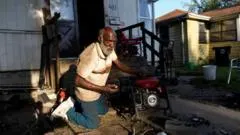
Thousands of residents in Gary, Indiana, endured nearly two weeks without power after severe storms battered the US Midwest on 11 August, bringing flooding and tornadoes that killed seven people across the region. Gary, a former industrial town where a third of the roughly 70,000 residents live in poverty, was among the worst affected, with wind gusts reaching 99mph during the storm despite the worst of it lasting only five to ten minutes. The prolonged outage left elderly and vulnerable residents struggling to access food, medication and basic hygiene facilities, prompting a class-action lawsuit against utility firm Nipsco over its alleged failure to manage trees that brought down power lines.
By the time coverage settled, more than 345,000 customers had had power restored, though almost 30,000 remained without electricity 12 days on. Residents described harrowing conditions, including a wheelchair user forced to crawl down stairs without working lifts and a man discharged after dental surgery with no pain medication once the power failed. Faith leaders held a press conference outside a local church demanding action, while Nipsco denied wrongdoing and said it would contest the lawsuit. Charity World Central Kitchen stepped in to help feed those without access to food as the crisis stretched into a second week.
- Storms on 11 August killed seven and knocked out power across Indiana
- Gary, Indiana worst hit; ~30,000 still without power after 12 days
- Residents sue Nipsco over tree management; firm denies wrongdoing
New here? Start with this
Storms tore through the US Midwest on 11 August, bringing flooding, tornadoes and winds gusting up to 99mph to the Chicago and Indiana area, killing seven people. Twelve days on, tens of thousands of homes and businesses in Indiana are still without electricity, with the city of Gary among the worst affected. Gary is a former industrial town where roughly a third of its 70,000 residents live in poverty, leaving many particularly exposed to the effects of a long outage.
The prolonged blackout has left people dealing with spoiled food, difficulty keeping clean, medication that needs refrigeration going unusable, and streets without lighting at night. Nipsco, the utility company responsible for restoring power, says it has reconnected more than 345,000 customers, though close to 30,000 remained without power as of Sunday morning. Some residents have brought a class-action lawsuit against Nipsco, alleging it failed to properly manage trees near power lines, a claim the company disputes.
The situation matters because it highlights how a natural disaster's effects can drag on long after the storm itself has passed, and how those impacts fall hardest on communities with fewer resources to cope. It has also drawn in outside help, including the charity World Central Kitchen providing food to affected residents, while local faith leaders have called for the outages to be fixed.