Three Men Convicted in Deaths of Australian Brothers and American Friend During Mexico Surfing Trip
Developing story first seen 2 hours ago
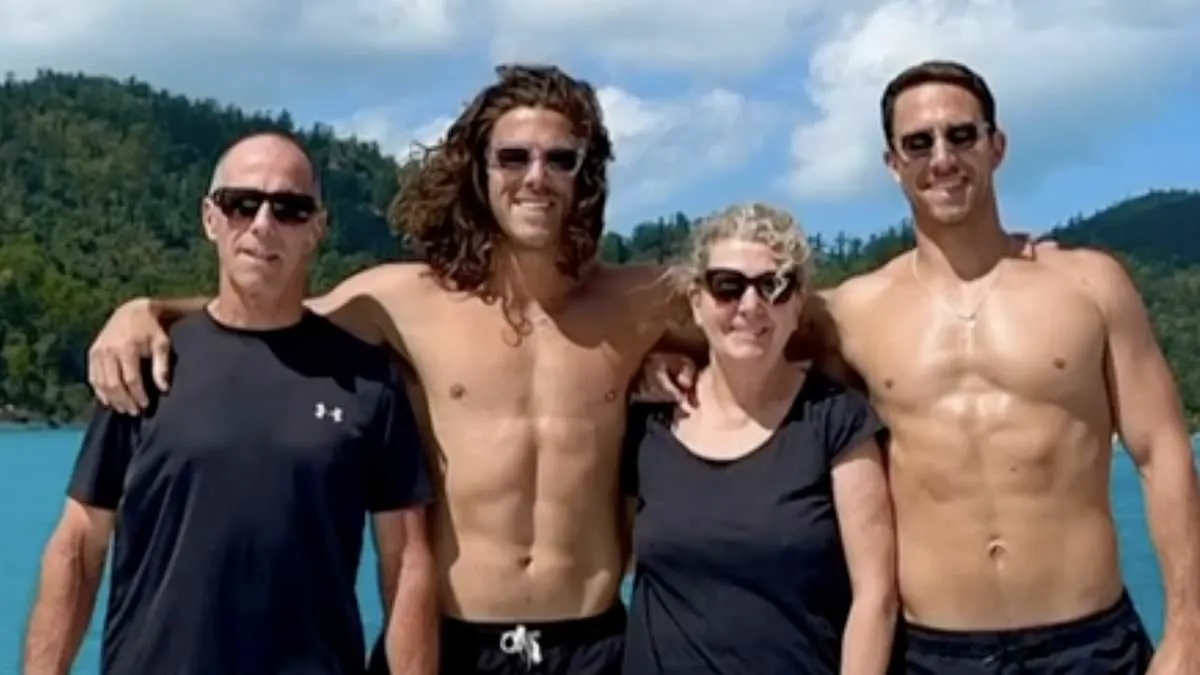
Three men have been convicted of murdering Australian brothers Jake and Callum Robinson and their American friend Carter Rhoad during a surfing trip in Mexico in 2024. The verdict brings a major development in a case that shocked families and local surfers, and raised concerns about tourist safety in Baja California.
The month-long trial heard the men were killed in an apparent attempt to steal their truck at a secluded beach; their bodies, with gunshot wounds to the head, were found in a well a week later. The defendants, identified as Jesús Gerardo, Irineo Francisco and Ángel Jesús, have yet to be sentenced, though prosecutors sought 150 years in prison for each. Gerardo’s girlfriend was separately sentenced to 20 years after admitting involvement in the robbery.
- Three men were found guilty of murdering three surfers in Mexico.
- The killings took place during an apparent robbery in 2024.
- Sentencing is still to come; prosecutors sought 150 years each.
New here? Start with this
Australian brothers Jake and Callum Robinson and their American friend Carter Rhoad were killed during a surfing trip to Baja California, Mexico in 2024. Their deaths shocked their families and the international surfing community.
The three men were killed in an apparent robbery attempt targeting their truck at a secluded beach. Their bodies were discovered in a well about a week after they disappeared.
The case drew significant attention to safety concerns for tourists visiting Baja California, a region that attracts surfers and holidaymakers from around the world. It highlighted the risks that travellers can encounter in certain parts of Mexico.
Full account
A Mexican court has determined that three men were responsible for the deaths of two Australian brothers and their American friend who were holidaying in the remote beaches of Baja California. The victims—Jake Robinson (30) and Callum Robinson (33) of Australia, together with United States national Jack Carter Rhoad (30)—were shot whilst camping in a secluded location in April 2024. The Ensenada court found Jesús Gerardo (nicknamed 'El Kekas'), Irineo Francisco, and Ángel Jesús culpable of aggravated homicide and associated offences.
Prosecutors presented evidence that the three men had attempted to steal the tourists' vehicle at their beach encampment, with the situation escalating fatally. The three victims were subsequently disposed of in a concealed location—described variously as a cliff-side shaft or underground well—where they remained undiscovered for approximately a week before being located with fatal head wounds. The delay in discovery meant the victims' next of kin had to travel to Mexico to formally identify the remains.
Judge Raúl Hernández Arellano delivered the convictions following extensive testimony heard over several weeks in the Ensenada courtroom. A crucial witness proved to be Ari Gisell, an ex-partner of Jesús Gerardo, who had previously been incarcerated after admitting her role in initiating the robbery. Her courtroom account alleged that Gerardo had described the victims' final pleas in callous terms, claiming he had later made light of their suffering. Throughout the proceedings, the parents of the deceased Australian men—Debra and Martin Robinson—maintained a continuous courtroom presence. Debra Robinson delivered an emotional statement to the court, asserting that whilst justice could not restore her sons, holding the perpetrators accountable held profound significance.
Sentencing is scheduled for 16 October, with the prosecution demanding 150 years of imprisonment for each defendant. The case has attracted international attention, particularly from Australia, given that this Pacific coastal area has traditionally attracted tourists and surfers as a relatively safe destination. The incident prompted local surfers to organise a memorial at one of the area's prominent beach breaks, where they entered the water in tribute and scattered flowers in remembrance of the three men.
Where outlets differ
Body location described as 'clifftop shaft' (SOURCE 1) versus 'well' (SOURCE 2)
Trial duration: SOURCE 1 specifies 'five-week'; SOURCE 2 describes 'month-long'
Crime characterisation: SOURCE 2 explicitly calls it 'carjacking'; SOURCE 1 uses 'robbery'
SOURCE 2 emphasises broader Mexican violence context and tourism concerns; SOURCE 1 focuses on trial proceedings
SOURCE 2 includes local surfer community's memorial activities; SOURCE 1 omits this response
SOURCE 2 notes victims entered Mexico 36 hours before death; SOURCE 1 does not mention this timeframe