World news and discussion on TalkFuse.
Three of a kind? Xi hosts Trump and Putin as Ukraine war grinds on
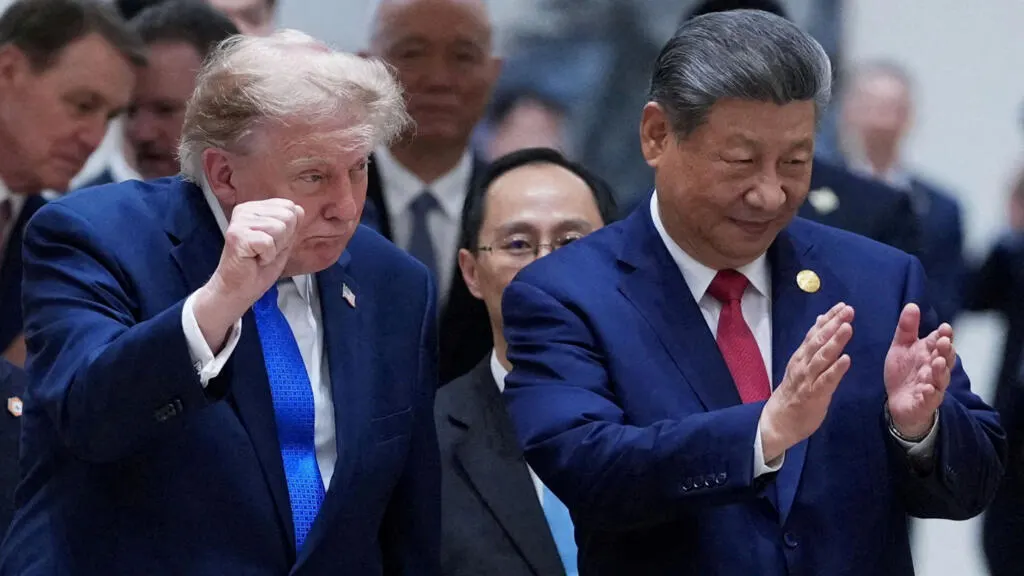
The article discusses whether China’s hosting of Donald Trump and Vladimir Putin amounted mainly to a public relations exercise, and what the three leaders might share as Russia’s war in Ukraine continues. It raises the possibility of the major powers striking a deal over Ukraine, while describing Kyiv’s attack on a bridge linking mainland Russia with Crimea as a signal to the gathering.
European countries held a parallel meeting in Berlin through a Franco-British-led coalition supporting Ukraine, described by some as NATO without the United States. The article considers whether that gathering was intended to signal resolve to Moscow, reassure pro-Ukraine lawmakers in Washington, or remind China of Europe’s importance as a market for its exports. It provides no figures or details on the leaders’ discussions or the bridge attack.
In short
- China hosted Trump and Putin as the war in Ukraine continued.
- Ukraine targeted a bridge linking mainland Russia and Crimea.
- European backers met in Berlin to signal continued support.
Steelman: both sides, in good faith
The strongest fair case each way — we don't pick a winner.
The case for
The gathering could be seen as more than a public relations exercise: direct contact among leaders of major powers may create room for a deal that reduces the fighting in Ukraine. Kyiv’s bridge attack may also have been intended to signal that Ukraine remains able to challenge Russia’s position, while the Berlin meeting showed that European supporters of Ukraine are organising to influence events and reassure partners.
The case against
The meeting may have been chiefly a display of shared status and influence, without evidence here that the leaders discussed or could agree on Ukraine. The Berlin gathering could be read as a signal of resolve, but also as an effort to compensate for uncertainty about US support; without details of either meeting or the bridge attack, claims about their intended effects remain open to question.
Explained simply
China’s president, Xi Jinping, leads a country with growing global influence and close ties to Russia. Donald Trump is the US president, while Vladimir Putin leads Russia, which launched its full-scale invasion of Ukraine in 2022. Ukraine, led by President Volodymyr Zelenskyy, is resisting the invasion.
The war has shaped relations between Russia and Western countries, including the United States and European nations, which have supported Ukraine. China has called for a political settlement while maintaining ties with Moscow. Any agreement affecting Ukraine would raise questions about the country’s future and the role of other powers in deciding it.
European countries have also coordinated support for Ukraine, including through a coalition led by France and Britain. Their response matters because it could affect how much support Ukraine receives and how Russia, China and the United States view Europe’s influence.
Europe Geopolitics Politics World