TIM GRAHAM: Three-to-one negative coverage tells the story of network bias
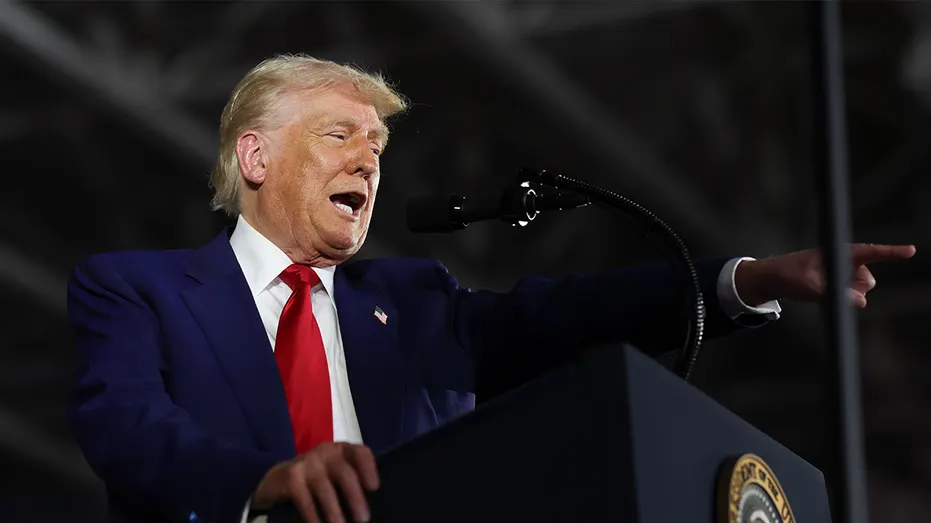
The article argues that major US broadcast networks give Republicans more negative coverage than Democrats, and says this imbalance undermines their claim to political neutrality. It cites a Media Research Center analysis of evening news coverage in 2026, while presenting the findings as evidence of bias.
The analysis found nearly 57 minutes of negative coverage of Trump and Republicans from 28 September to 26 October, compared with nearly 19 minutes about Democrats. The article also cites a separate September PBS News Hour tally, reporting 94% negative coverage of Republicans and a more evenly split tone for Democrats. These figures come from the Media Research Center, and the article argues that networks give too little attention to Democratic policy proposals and internal divisions.
In short
- A study found a three-to-one gap in negative network coverage.
- The article argues the coverage favours Democrats.
- The figures cited come from the Media Research Center.
Steelman: both sides, in good faith
The strongest fair case each way — we don't pick a winner.
The case for
If the Media Research Center’s figures accurately capture comparable coverage, the large gap in negative airtime could reasonably raise questions about whether broadcasters apply the same scrutiny to both parties. Critics may also argue that limited attention to Democratic proposals and divisions leaves viewers with an incomplete picture, weakening networks’ claims of neutrality.
The case against
The figures come from the Media Research Center, whose methods and coding choices matter when interpreting tone and airtime; a short period or selected programmes may not represent overall coverage. Differences in the amount or substance of newsworthy events could also produce unequal negative coverage without showing partisan bias, and claims about omitted Democratic debates would need broader evidence.
Explained simply
US broadcast networks report on the president, political parties and their policies through programmes such as evening news bulletins. Their coverage is often assessed by looking at how much airtime political figures receive and whether reports are classified as positive, negative or neutral.
The Media Research Center is a conservative media watchdog that monitors news coverage and publishes such assessments. Its figures reflect its own methods and classifications, so they are one source for examining coverage rather than a measure agreed by all observers.
The debate matters because broadcasters are expected to report fairly, while viewers rely on news coverage to understand competing political arguments. Claims of imbalance raise questions about how airtime and tone are measured and how much confidence audiences place in the networks.
Americas Research Science World