UK households build emergency reserves after three-day preparedness advice
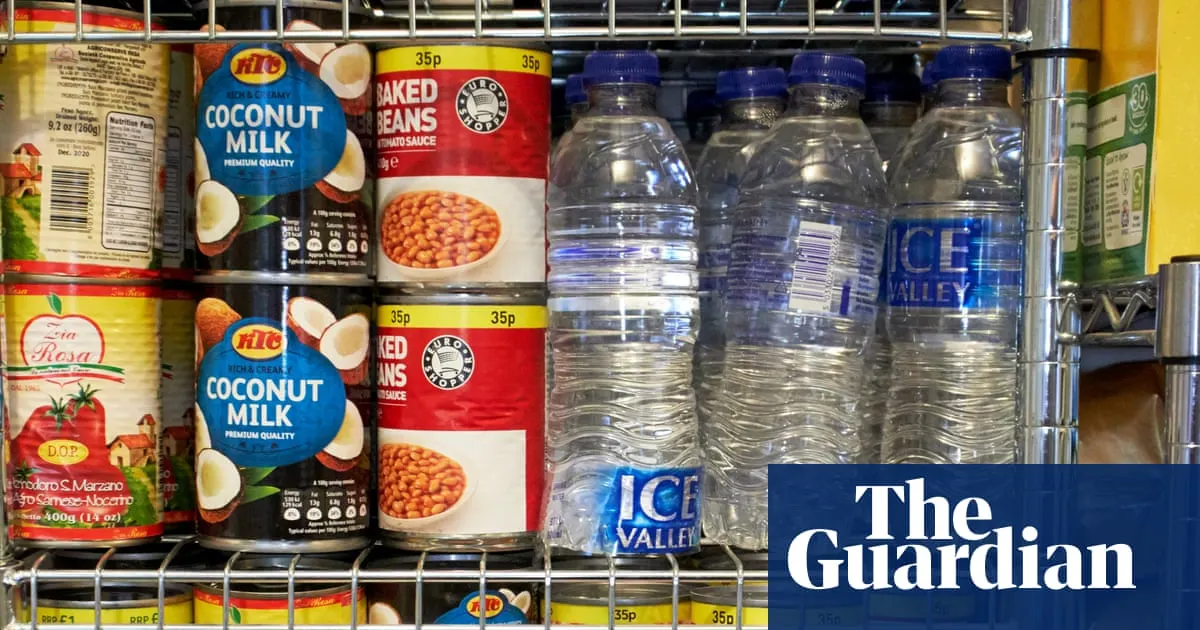
The UK government has advised households to keep three days’ worth of supplies for emergencies, prompting some people to build up stocks of food, water and basic equipment. The campaign comes amid warnings about security threats and climate-related disruption, and reflects concern that supply or infrastructure failures could leave people without essentials.
Residents interviewed described adding tinned and dried foods, bottled water, medicines, toilet paper, torches, radios and charged power banks to their stores. Some began preparing after the Covid lockdown shortages, while others cited possible supply-chain disruption linked to El Niño; one household is tracking expiry dates so it can use and replace food. The article also notes uncertainty about the scale and likelihood of the various risks people are preparing for.
In short
- Government advice is to keep three days of emergency supplies.
- Some households are gradually stocking food, water and medicines.
- Covid shortages and climate concerns have influenced preparations.
Steelman: both sides, in good faith
The strongest fair case each way — we don't pick a winner.
The case for
Keeping a modest three-day reserve can help households cope with temporary disruption, when access to shops, water or power may be interrupted. Supporters see basic preparation as a practical way to protect vulnerable family members and reduce pressure on emergency services, especially when the advice addresses several possible risks rather than predicting a specific crisis.
The case against
The advice may encourage anxiety or unnecessary stockpiling when the likelihood and scale of the risks are uncertain. Critics could argue that households have unequal space and money to build reserves, and that the government should focus on resilient infrastructure and clear, proportionate guidance rather than shifting too much responsibility to individuals.
Explained simply
Emergency preparedness advice asks households to be ready to manage for a short time if normal services or supplies are disrupted. Three days’ worth of essentials might include food, water, medicines, lighting and a way to follow information if the power goes out.
The advice reflects concern about a range of possible disruptions, including security threats, severe weather and interruptions to supply chains or infrastructure. The risks differ in likelihood and scale, and keeping basic supplies is one way some households are preparing for uncertainty.
Business Culture Elections Entertainment Europe Film Food Government Markets Politics UK World
Read the full article at the source →
Originally published by The Guardian as “Tinned food, loo roll and power banks: the Brits following advice to stockpile”.