‘To Be Ordinary’ Review: A Compassionate, Even-Handed Taiwanese Family Melodrama
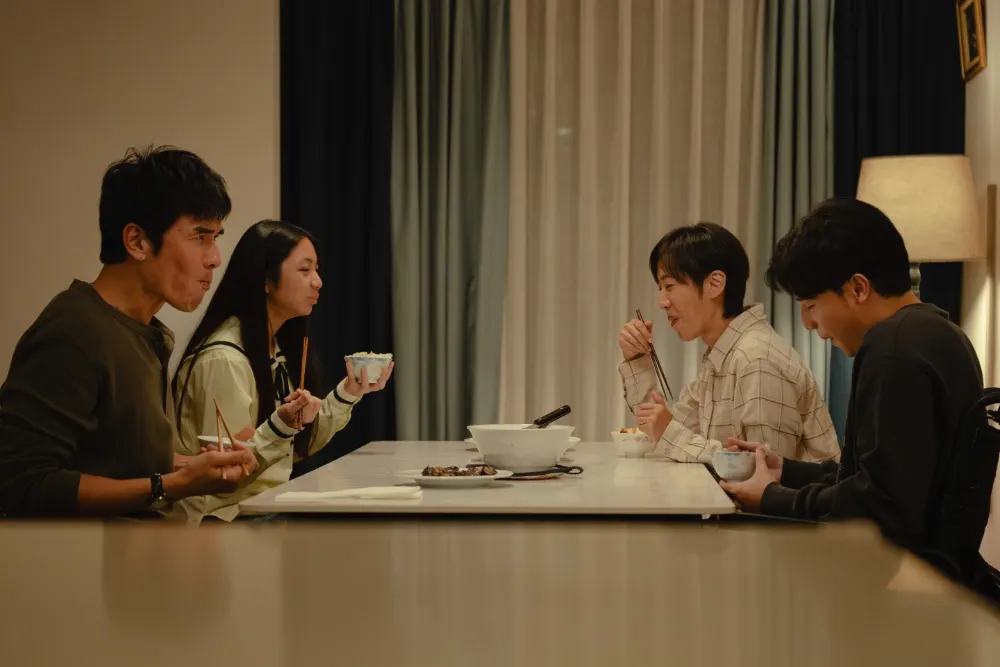
A traffic accident leaves 22-year-old Taiwanese student Yu-jie unable to walk, but “To Be Ordinary” focuses on how the event reshapes his whole family over the following 11 years. Director Lee Yun Chan’s drama matters for its compassionate, even-handed portrait of disability, family strain and the lasting consequences of an accident, rather than relying on familiar victim-and-villain roles.
Yu-jie adapts to life in a wheelchair and begins a relationship with his physiotherapist, while his parents’ troubled marriage worsens and his younger sister feels overlooked. The elderly driver, burdened by guilt, provides financial support beyond the legal settlement, including transferring his house to Yu-jie. The film premiered in Busan’s main competition and is due to open in Taiwan in mid-November.
- A crash changes the lives of a Taiwanese family for 11 years.
- The drama follows the family’s struggles and adjustments.
- The driver’s support complicates the film’s view of responsibility.
New here? Start with this
In Taiwan, families often share responsibility for care when a relative becomes disabled, so an accident can affect everyone in the household. “To Be Ordinary” follows Yu-jie, a 22-year-old student who loses the ability to walk after a traffic accident, and traces the effects on his family over the next 11 years.
Yu-jie adjusts to using a wheelchair and grows close to his physiotherapist. His parents’ marriage comes under strain, while his younger sister feels neglected; the elderly driver also remains part of the family’s life as he tries to make amends.
The film was directed by Lee Yun Chan and centres on disability, family relationships and the long-term effects of an accident. Its story gives attention to the different people affected, rather than dividing them into simple victims and villains.