Culture news and discussion on TalkFuse.
To survive, the GOP cannot become like the Democratic Party
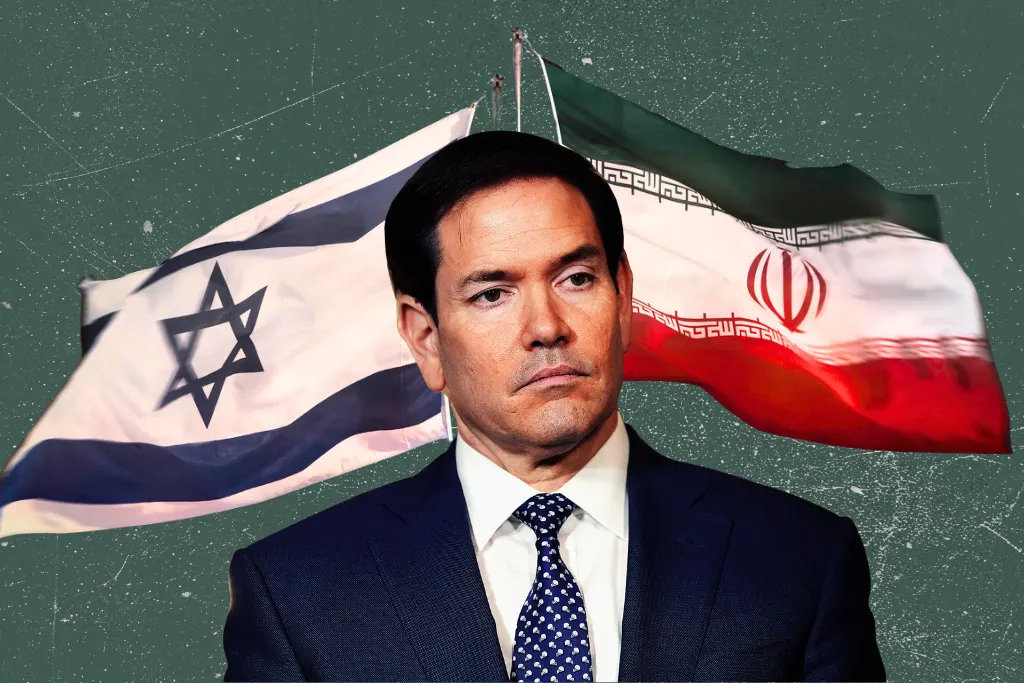
The opinion article argues that the Republican Party should avoid the Democratic Party’s history of bringing ideologically diverse groups into a broad coalition at the expense of shared principles. It claims this approach may win temporary majorities but can leave a party divided and weaken its ability to set a consistent political and foreign-policy direction.
The author traces this alleged pattern from Franklin Roosevelt’s New Deal coalition through Henry Wallace’s 1948 breakaway and George McGovern’s 1972 nomination, and into the modern influence of the Squad and Democratic Socialists of America. The piece contends that these factions have made Democrats less able to identify adversaries, support allies confidently and maintain a sustained strategy; these are the author’s assessments.
In short
- The author warns Republicans against copying Democratic coalition politics.
- The piece links broad ideological alliances to internal divisions.
- It argues that party unity shapes foreign-policy consistency.
Steelman: both sides, in good faith
The strongest fair case each way — we don't pick a winner.
The case for
A broad coalition can win elections and give voice to groups with different priorities, while parties that adapt to changing voters may remain politically relevant. But if factions pull in sharply different directions, they can blur a party’s principles and make consistent policy—especially on foreign affairs—harder to sustain; Republicans should learn from that risk.
The case against
Ideological diversity need not mean abandoning shared principles: a coalition can unite groups around common goals while allowing disagreement on particular policies. The Democratic history described could also be read as evidence that broad alliances expand representation and shape political debate, while internal divisions are normal in a pluralistic party and do not by themselves prevent effective leadership.
Explained simply
The Democratic and Republican parties are the two main political parties in the United States. Each brings together voters and politicians with different views, and parties often try to broaden their appeal to win elections.
The article looks at points in Democratic history, from Franklin Roosevelt’s New Deal coalition to later disputes over party leadership and policy. It also discusses the modern influence of the Squad, a group of progressive Democratic members of Congress, and the Democratic Socialists of America, a political organisation.
The author argues that a broad coalition can create internal disagreements about shared principles and policy, including foreign policy. The piece uses this argument to discuss how parties balance winning support with maintaining a consistent direction.