Weird & Viral news and discussion on TalkFuse.
Toddler’s tragic death from brain-destroying amoeba offers lessons for doctors
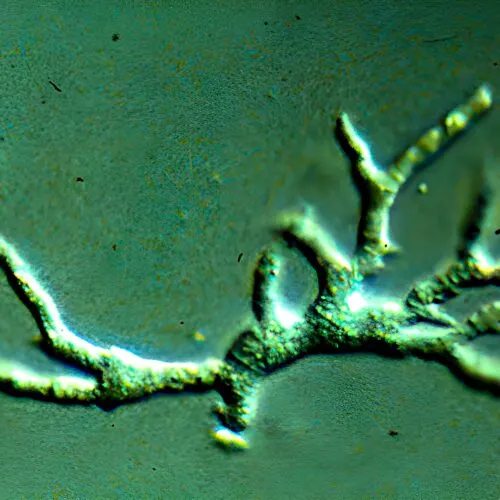
A previously healthy toddler in Washington state died after an ultra-rare brain infection caused by amoebas was initially mistaken for an inflammatory blood-vessel disease. His doctors later published the case to highlight how an unusual presentation and early misdiagnosis delayed recognition for more than 30 days, leaving him with irreversible brain damage.
The infection has been recorded in only about 200 people worldwide since 1986 and is fatal in roughly 90 per cent of cases. Early scans showed brain bleeding and narrowed or blocked arteries, leading doctors to diagnose childhood Takayasu arteritis and give immunosuppressants; after temporary improvement, the child deteriorated and was eventually taken off life support, with an autopsy finding extensive brain damage and amoebas.
In short
- Rare amoeba infection was mistaken for vascular inflammation.
- Diagnosis came too late to prevent irreversible brain injury.
- Doctors hope the case improves earlier recognition.
Explained simply
Amoebas are microscopic organisms found in the environment; a few kinds can cause rare infections if they enter the body and reach the brain. These infections can damage brain tissue and are often difficult to recognise because their early signs can resemble more common illnesses.
Takayasu arteritis is a disease in which blood vessels become inflamed and narrowed. In children, it can affect blood flow to the brain, so doctors may consider it when scans show narrowed arteries. The case highlights the challenge of distinguishing an extremely rare infection from a more familiar condition when symptoms and scans overlap.
The infection described has been recorded in only about 200 people worldwide since 1986, and most reported cases have been fatal. Doctors use case reports to share unusual symptoms and diagnostic difficulties with other clinicians, which may help inform care when similar cases arise.