Emergency supplies sales rise after government preparedness campaign sparks stock concerns
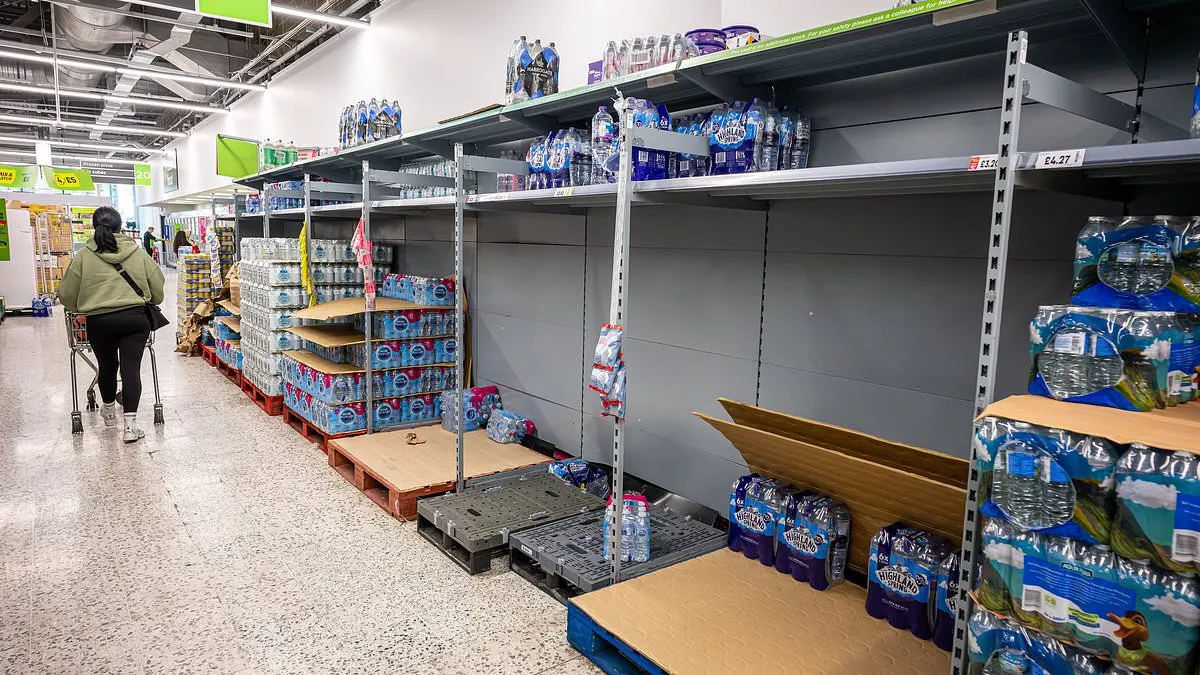
Sales of toilet roll, bottled water and other emergency supplies have risen since the Government launched its Be Ready campaign, which encourages people to prepare for crises. The surge has raised concerns among suppliers and retailers that the advice could trigger excessive buying and leave shelves or online stores short of stock.
Several toilet paper companies reported sales increases of 29 to 43 per cent, while one recorded a 36 per cent rise; six water and toilet paper products featured among Amazon’s 20 best-selling groceries. Ocado listed some bottled water and 40 varieties of tinned soup as out of stock. The campaign recommends keeping 72 hours of supplies, including food, water, a torch, a radio, a power bank and first aid items, while suppliers say a modest reserve is enough.
In short
- Emergency supply sales rose after the Government’s preparedness campaign.
- Toilet paper brands reported sales increases of 29 to 43 per cent.
- Suppliers warn against panic buying and excessive stockpiling.
Steelman: both sides, in good faith
The strongest fair case each way — we don't pick a winner.
The case for
Encouraging households to keep essential supplies for 72 hours can help people cope if emergencies disrupt power, water or deliveries, and may reduce pressure on public services during a crisis. The campaign gives practical guidance in advance, when people can prepare calmly rather than compete for essentials after an emergency begins.
The case against
A campaign intended to reassure can prompt people to buy more than they need, especially when its advice is interpreted as a reason to stockpile. If that leaves retailers short of everyday goods, it may make supplies harder to obtain for others and undermine the sense of security the campaign aims to build.
Explained simply
Governments publish emergency advice to help people cope if normal services are disrupted by events such as severe weather or power cuts. The UK’s Be Ready campaign recommends keeping enough basic supplies to manage for 72 hours, including food, water, a torch, a radio and first aid items.
The Government is asking households to prepare, while shops and suppliers provide the goods people may buy. Retailers and manufacturers say a sharp increase in demand can make some products harder to find, and argue that a modest reserve should be sufficient. The issue matters because preparedness advice needs to help people plan without prompting unnecessary stockpiling.
Business Culture Elections Fashion Geopolitics Government Markets Politics World
Read the full article at the source →
Originally published by Daily Mail as “Toilet roll and water sales soar as prepper panic hits supermarket shelves with suppliers warning against ‘pandemic-style’ hoarding after government’s ‘Be Ready’ campaign”.