‘Tokyo Vice’ Producer, Netflix Executive Urge Changes to Japan’s Production Incentive at MPA Seminar as Government Readies Unified Content Body
Developing story first seen 2 hours ago
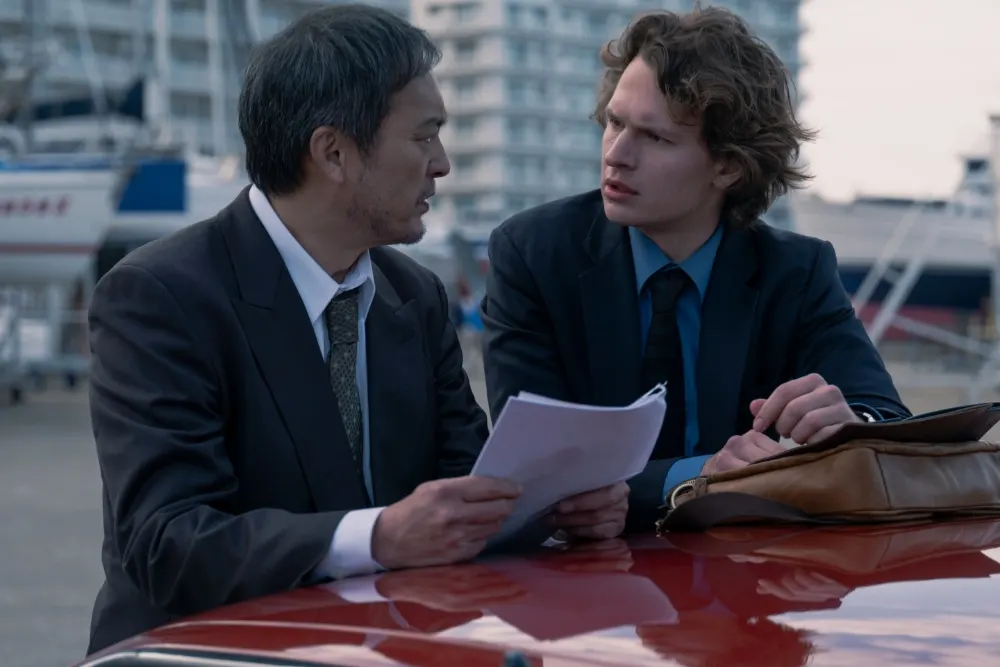
Japan has begun work on a new government body to bring its fragmented content-industry support together, with a launch targeted for 2027. The move comes as film industry figures urge changes to Japan’s international production incentive, arguing that clearer rules could help the country attract more overseas projects.
The task force held its first meeting on 22 October and is intended to coordinate policy across several ministries. The current IP360 incentive offers 50% of Japanese spending, but its JPY800 million minimum, or about $5.1 million, excludes many independent films and co-productions. Producers also want predictable approvals and training support; the government’s wider roadmap targets JPY20 trillion in overseas sales by 2033.
- Sources
- 2
- Outlets
- 2
- Left · Centre · Right
- 0 · 0 · 0
In short
- Japan is preparing a unified body for content-industry support.
- Producers want clearer, more predictable film incentives.
- The government targets JPY20 trillion in overseas sales by 2033.
How this story developed
- 32 minutes ago “Tokyo Vice” producer Alex Boden and Netflix executive Deb Richards called for Japan to make its international film incentive more predictable and transparent.
- 35 minutes ago Japan has begun work on a new government body to bring its fragmented content-industry support together, with a launch targeted for 2027.
Steelman: both sides, in good faith
The strongest fair case each way — we don't pick a winner.
The case for
A unified content body and a more accessible incentive could make Japan a more competitive and reliable place to produce films, including smaller independent projects and co-productions. Clearer approvals and training support may also build local skills and jobs, helping the industry meet its overseas-sales ambitions.
The case against
Changing the incentive or consolidating support could bring costs and administrative complexity, while a lower threshold might spread public funds across more projects without ensuring lasting benefits for Japan’s industry. The existing minimum may help focus support on productions with substantial local spending, and a new body will need clear accountability to avoid adding another layer of bureaucracy.
Explained simply
Japan’s film and television industry receives support through different government schemes, and officials are working to bring that support under one body, with a launch planned for 2027. The task force behind the plan held its first meeting on 22 October and is intended to coordinate policy across several ministries.
One existing scheme, IP360, reimburses half of eligible spending in Japan for international productions, but projects must meet a minimum spend of JPY800 million. That threshold can put the incentive out of reach for smaller independent films and co-productions.
Producers say clearer approval rules and more training could help Japan attract overseas productions. The government’s wider goal is to raise overseas sales of Japanese content to JPY20 trillion by 2033.
Coverage · 2 sources
- Variety‘Tokyo Vice’ Producer, Netflix Executive Urge Changes to Japan’s Production Incentive at MPA Seminar as Government Readies Unified Content Body
- Deadline‘Tokyo Vice’ Producer & Netflix APAC Production Affairs Chief Suggest Tweaks To Japan’s Support System: “Incentives Can Be Lower So Long As They’re Certain”
Asia Entertainment Film Government Politics TV World