World news and discussion on TalkFuse.
Tomb Raider: Legacy of Atlantis Focus Meter and Skill Tree Leaves Fans Conflicted
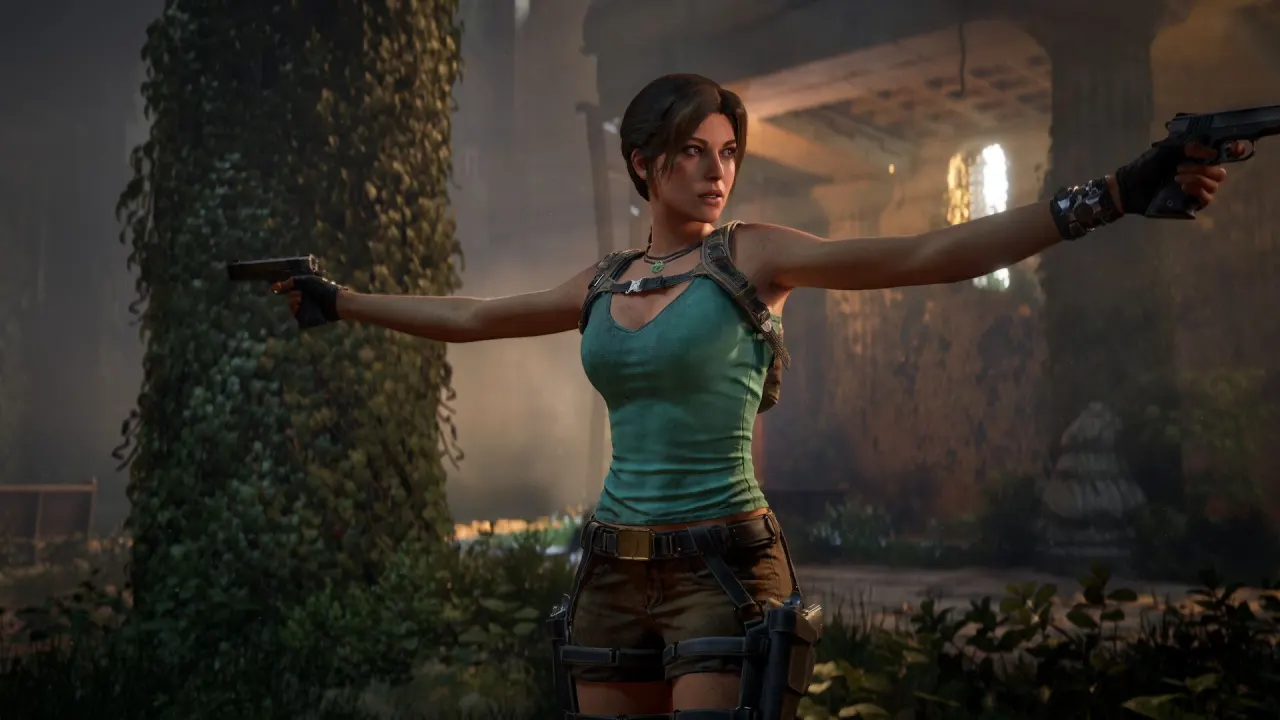
Amazon Game Studios has released the sixth developer diary for Tomb Raider: Legacy of Atlantis, a remake of the 1996 original, revealing new gameplay systems including a "Focus" meter, a skill tree, and herb-based crafting. The reveal has divided fans, with the skill tree and crafting mechanics drawing particularly strong backlash from those who feel the additions clash with the series' traditionally straightforward, non-RPG design, while the Focus meter has received a more muted response.
Game director Raul Siquera described Focus as a meter built by dealing and taking damage or dodging attacks, which lets players slow down time and pull off Lara Croft's classic acrobatic moves. Design director Jason Epps said the skill tree and crafting, inspired by Crystal Dynamics' Survivor Trilogy, let Lara gain skill points through collecting artifacts rather than experience points, while crafted items heal her and grant buffs in a system likened to Resident Evil. Critics on forums such as ResetEra questioned why a veteran treasure hunter would need to learn new skills, though developers stressed the entire game can still be completed using only Lara's dual pistols. Tomb Raider: Legacy of Atlantis is due for release on Nintendo Switch 2, PlayStation 5, Windows PC and Xbox Series X on 12 February 2027.
In short
- New Tomb Raider remake trailer reveals Focus meter, skill tree, crafting systems.
- Skill tree and crafting mechanics have sparked strong fan backlash online.
- Game releases 12 February 2027 on PS5, Xbox, Switch 2 and PC.
Steelman: both sides, in good faith
The strongest fair case each way — we don't pick a winner.
The case for
The introduction of skill trees and crafting systems reflects the natural evolution of game design over the past three decades, offering players meaningful agency and customisation options that enhance rather than replace the core experience. The developers' decision to make these systems entirely optional—the game remains completable with only Lara's pistols—preserves the classic experience for purists whilst allowing modern players to engage with contemporary mechanics if they choose. Modernising a 1996 game for contemporary audiences, as the Survivor Trilogy demonstrated, requires thoughtful evolution of mechanics to remain relevant whilst honouring the source material.
The case against
Tomb Raider's original appeal lay in its elegant simplicity—straightforward action, puzzle-solving, and exploration without the progression systems now ubiquitous in modern games—and diluting this clarity with skill trees and crafting risks losing the very qualities that made the series distinctive. The premise that Lara Croft, an experienced archaeologist, must progressively 'learn' new abilities undermines her established character and contradicts the narrative logic that fans expect from a remake. These mechanics, borrowed from other franchises and feeling tangential to the core adventure, risk diverting design focus away from what truly matters: compelling puzzles, exploration, and platforming that defined the series.
Explained simply
Tomb Raider is an adventure game series centred on Lara Croft, an archaeologist who explores dangerous ruins and searches for lost treasures. The first game, released in 1996, established a relatively direct style built around exploration, puzzles and combat.
Legacy of Atlantis is a remake of that original, made by Amazon Game Studios. Its new systems include a Focus meter for special moves, a skill tree that unlocks abilities and crafting that uses herbs to make healing items and buffs. The developers say players can complete the game using only Lara’s dual pistols.
The debate reflects a broader question about how far a remake should change a familiar game. Some fans see the added progression and crafting as a departure from Tomb Raider’s older design, while others may welcome features found in more recent action games.