Video games news, releases, esports and culture — all the biggest gaming stories in one place.
Tomb Raider: Legacy of Atlantis isn’t even out yet, but already it feels like an old relic – in all the wrong ways
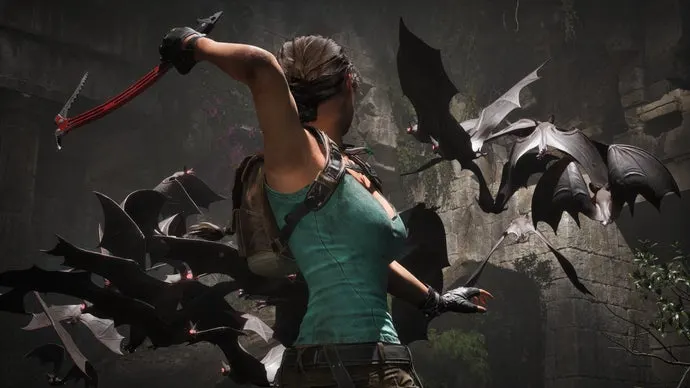
Eurogamer's hands-off Gamescom preview of Tomb Raider: Legacy of Atlantis, the remake of the original 1996 game, has left the outlet unconvinced that the project's design direction is right, despite the game not yet having launched. Developed by Flying Hog Games and overseen by Crystal Dynamics for Amazon, the remake now due early next year aims to go beyond a visual overhaul, reimagining classic areas such as the Damocles Room sword puzzle beneath St Francis' Folly while adding new mechanics. The concern is that these additions risk diluting what made the original level design distinctive.
The demo showed a reworked version of Tomb Raider 1's vertical St Francis' Folly chamber, retaining its puzzle structure of collecting four gemstones while adding visual flourishes, redesigned bat enemies, and new voice acting from Lara Croft actor Alix Wilton Regan. However, Crystal Dynamics is also introducing RPG-style progression elements carried over from its reboot trilogy, including crafting, skill trees and a new environmental scanner, alongside food-crafting mechanics that let Lara gather items to cook meals. The preview suggests these additions feel at odds with the tone and simplicity of the original game, raising doubts about the remake's overall direction ahead of its early 2027 release.
In short
- Tomb Raider: Legacy of Atlantis previewed at Gamescom, out early next year.
- Remake adds crafting, skill trees and a scanner to classic levels.
- Reviewer feels new RPG-style additions clash with the original's spirit.
Steelman: both sides, in good faith
The strongest fair case each way — we don't pick a winner.
The case for
The remake can honour the original’s memorable spaces while making them more legible and engaging for players accustomed to modern adventure games. Added progression, crafting and scanning could give exploration more purpose, and new mechanics may help the remake feel like a considered reimagining rather than a visual update alone.
The case against
The original’s appeal rested partly on its spare, focused design, where navigating distinctive spaces and solving puzzles carried the experience. RPG systems and food crafting may interrupt that rhythm or impose a tone that does not fit the game, so substantial additions risk obscuring what made the original distinctive.
Explained simply
Tomb Raider is an adventure game series about Lara Croft, an archaeologist who explores dangerous ancient sites. The first game, released in 1996, became known for its puzzles, platforming and large, carefully designed spaces, including St Francis’ Folly, where players search for four gemstones.
Legacy of Atlantis is a remake of that original game, developed by Flying Hog Games with Crystal Dynamics overseeing the project for Amazon. It is planned for early 2027 and is intended to reshape parts of the game as well as update its visuals, with new mechanics and voice acting.
The remake’s design choices matter because they may change how those familiar levels play and feel. Its crafting, skill trees and food-making draw on features from later Tomb Raider games, while the original was built around exploration and solving puzzles with a simpler set of tools.