US agencies warn AI could aid attacks and attract anti-tech violence
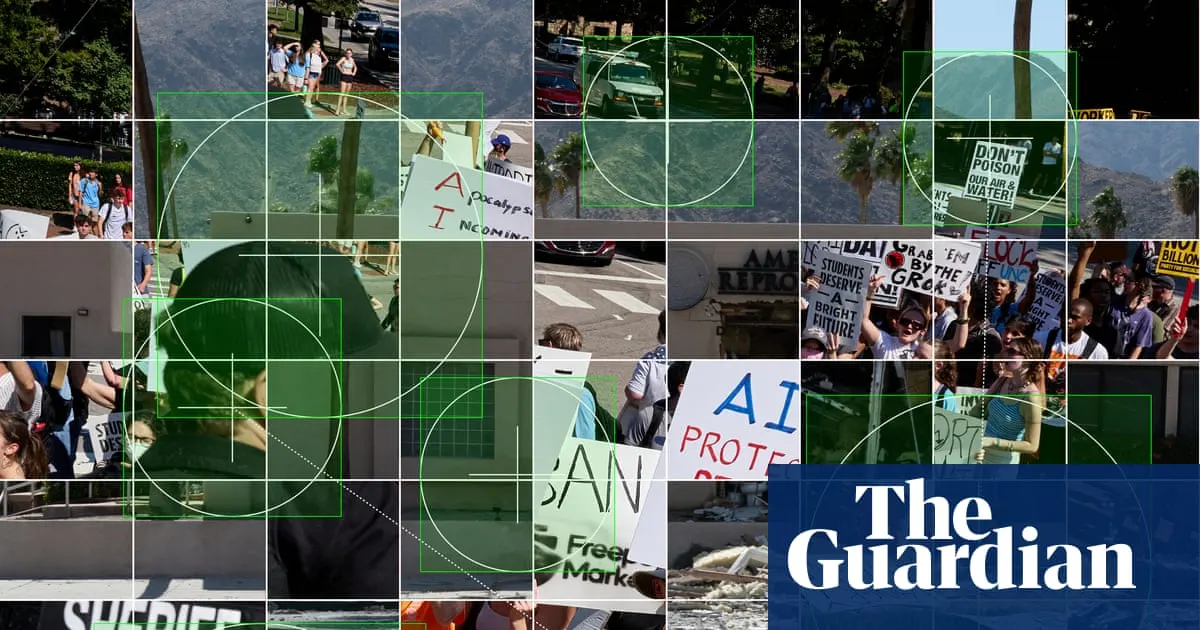
US law enforcement agencies are warning that people plotting attacks can use generative AI to find dangerous instructions, while some opponents of AI may threaten the infrastructure behind it. More than 80 documents circulated among federal, state and local agencies from 2021 to 2026 show officials treating AI as both a potential tool for attackers and a possible target.
One FBI memo says the suspect in a 2025 car bombing outside a Palm Springs fertility clinic used an AI tool to seek bomb-making instructions; the attack killed him and injured four people. The memo says the chatbot did not flag the request and its privacy protections hindered police alerts, while warning that users may bypass safeguards. The documents also cover risks such as extremist recruitment, deepfakes and weapons guidance, and officials’ monitoring of opposition to data centres.
- FBI warns attackers may use AI to plan plots.
- A 2025 bombing suspect sought bomb instructions through a chatbot.
- Agencies are also monitoring threats to AI infrastructure.
New here? Start with this
Generative AI tools create new text or images in response to people’s requests. They can be used for ordinary tasks, but officials are concerned that people planning violence might also seek help with dangerous instructions or use convincing fake material to influence others.
US federal, state and local agencies, including the FBI, assess threats and share information with one another. Their concerns include both the possible use of AI by attackers and opposition to the facilities that support it, such as data centres.
The issue matters because AI systems are becoming part of everyday life while their safeguards, privacy protections and effects on public safety are debated. Understanding the risks involves considering how the tools are designed, how they may be misused and how authorities monitor threats.
Both sides, in good faith
The strongest fair case each way — we don't pick a winner.
The case for
The warnings support taking AI-enabled threats seriously: a tool that can help someone find dangerous instructions, create persuasive extremist material or produce deepfakes may lower barriers to harm. Because the reported attack involved a chatbot request and agencies also cite possible threats to data centres, officials can reasonably argue for stronger safeguards, threat monitoring and cooperation between technology firms and law enforcement.
The case against
The documents describe risks and official assessments, not proof that AI broadly makes attacks more likely or that opposition to data centres is itself a security threat. Critics may argue that overstating these dangers could justify intrusive surveillance or pressure for weakened privacy protections, while the reported chatbot request’s failure to trigger an alert does not by itself establish that broader monitoring would have prevented the attack.
Americas Art Culture Technology World
Read the full article at the source →
Originally published by The Guardian as “Tool and target: US law enforcement grapple with AI-enabled terrorism and anti-tech extremism”.