Top Burnham minister defends sending her children to private school saying it doesn’t make her any less Labour
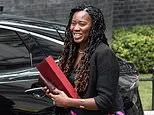
Energy Secretary Miatta Fahnbulleh has defended her decision to send her three children to private schools, arguing that parents may reasonably choose them for quality, special educational needs, sport or arts provision. Her comments matter because she has also supported Labour’s policy of applying VAT to private-school fees, which critics say has increased costs for fee-paying families.
Speaking on The News Agents podcast, the Peckham MP said the Government should not subsidise private-school choices when public budgets are constrained, and that the additional revenue should support state education. The article says Fahnbulleh has not named the schools or disclosed the fees; unnamed sources estimated annual spending of at least £50,000, while nearby schools reportedly charge roughly £27,000 to £30,000 per year.
- Fahnbulleh defended using private schools while supporting VAT on their fees.
- She said parents retain choice but should not receive state subsidy.
- Critics highlight the apparent tension with Labour’s education policy.
New here? Start with this
Miatta Fahnbulleh is Labour’s Energy Secretary and the MP for Peckham. She is a parent of three and has chosen private schools for her children, while arguing that families may have different reasons for doing so, including a child’s needs or interests.
Labour’s policy applies VAT to private-school fees, with the aim of raising money for state education. The debate centres on how families should pay for schooling and how public funds should be used when the state education system has limited resources.
Both sides, in good faith
The strongest fair case each way — we don't pick a winner.
The case for
Parents may choose private schools for reasons such as specialist support, sport or arts provision, and making that choice does not by itself negate a Labour politician’s commitment to public education. With public funds limited, supporters argue that private education should not receive a tax advantage and that VAT revenue can help improve state schools for the wider population.
The case against
Critics can argue that taxing private-school fees raises costs for families who have made a lawful educational choice, including those seeking provision they believe best fits their children’s needs. They may also question the fairness of a policy supported by a minister whose family can afford private schooling, while arguing that the tax could burden parents without ensuring the promised revenue will substantially improve state education.