Culture news and discussion on TalkFuse.
Top Creator Attorneys On “Turning Creative Authority Into Economic Authority” & Forging A New Entertainment Business Model At Deadline’s L.A. Law Summit
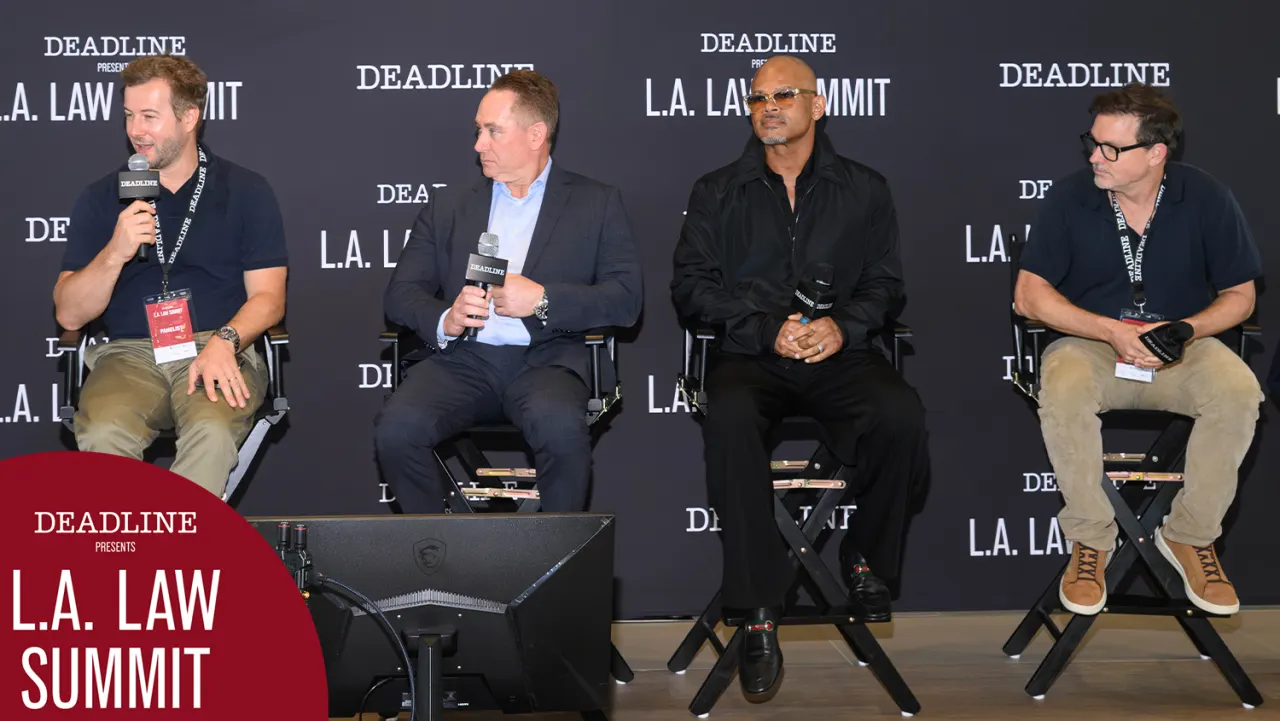
Entertainment industry leaders gathered at Deadline's inaugural Los Angeles Law Summit to discuss how the creator economy is fundamentally reshaping entertainment business models. The event brought together prominent attorneys and producers to explore how technology enabling direct audience relationships has reduced barriers to entry and created new economic opportunities for creators across all levels.
The panellists—including Matt Dysart from Greenberg Glusker, Ethan Cohan from Del Shaw Moonves, Jack Whigham of Range Media Partners, and director-producer Anthony Hemingway—emphasised that creators can now bypass traditional studios and networks to build direct consumer relationships. Whilst small digital-first creators such as Joe Rogan and Charli D'Amelio have achieved success without backing, established figures like Academy Award-winning actors can equally leverage this model to establish secondary or primary businesses. The group agreed that the creator economy represents a hybrid opportunity, combining the agility of direct distribution with the expertise of traditional studio systems.
In short
- Creator economy empowering entertainers to establish direct audience relationships
- Technology reducing gatekeepers, from small influencers to major actors
- Hybrid model blending creator agility with traditional studio expertise
Steelman: both sides, in good faith
The strongest fair case each way — we don't pick a winner.
The case for
Direct audience relationships can give creators more control over their work, closer ties to audiences and a greater share of the value they generate. Digital platforms lower entry barriers, allowing both emerging and established talent to build businesses without relying entirely on studios or networks, while hybrid models can retain traditional industry expertise.
The case against
The direct-to-audience model may offer independence, but building and sustaining a business also requires resources, specialist expertise and the ability to reach audiences amid intense competition. Studios and networks can provide financing, distribution and infrastructure that many creators cannot readily replace, so bypassing them may shift risk onto creators rather than reliably increasing their economic power.
Explained simply
For decades, film and television studios and networks have helped creators make and distribute work, while keeping a role in how it reaches audiences and earns money. Online platforms now let people publish directly and build a following without first securing a deal with a traditional company.
This has helped some digital creators turn large audiences into businesses, and established performers can use the same approach alongside their existing careers. The key players include lawyers who negotiate entertainment deals, talent representatives and producers who develop projects.
The shift matters because creators may have more control over their work and a closer relationship with audiences, while also taking on new business decisions. Traditional companies still offer funding, production skills and reach, so some creators combine direct distribution with studio support.
Art Business Culture Economy Entertainment Film Geopolitics Politics