Business news and discussion on TalkFuse.
Top House Judiciary Democrat Jamie Raskin Seeks Transcribed Interview With David Ellison Over Paramount-Warner Bros. Discovery Merger
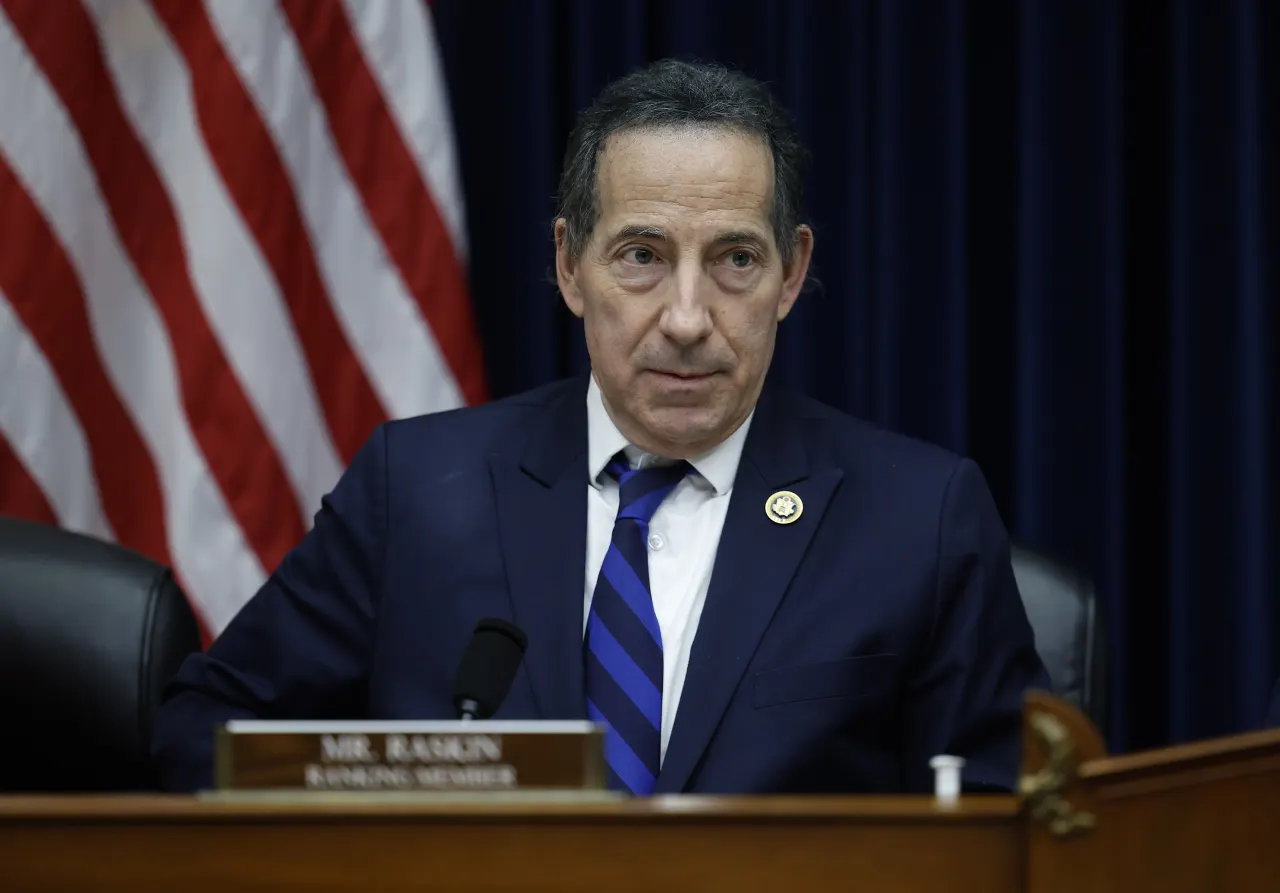
Representative Jamie Raskin, the leading Democrat on the House Judiciary Committee, has asked Paramount chief executive David Ellison to take part in a transcribed congressional interview about Paramount’s proposed merger with Warner Bros. Discovery. Raskin argues that the deal could threaten media independence and competition, particularly because Paramount already owns CBS News and could gain control of CNN. The request adds to Democratic pressure on the company, although the minority party cannot compel Ellison to testify.
Raskin cited reports that Ellison offered Trump administration officials assurances of major changes at CNN, and accused him of working with the administration to curb editorial independence; Ellison has denied such concerns, saying CNN and CBS News would report independently. Raskin said he had sent four unanswered letters over the previous year and gave Ellison until 26 August to arrange an interview. A group of 12 state attorneys general is also pursuing an antitrust lawsuit, while Paramount’s chief legal officer said the company would engage with Raskin and provide information but rejected allegations of corruption.
In short
- Raskin seeks Ellison interview over Paramount’s Warner Bros. Discovery merger.
- Democrats raise media independence and antitrust concerns.
- Paramount denies wrongdoing and says it will engage with Congress.
Steelman: both sides, in good faith
The strongest fair case each way — we don't pick a winner.
The case for
Large media companies require substantial scale and resources to compete globally and fund quality journalism; consolidation among major players need not reduce overall media diversity given the proliferation of digital news sources and alternative outlets. Established news organisations have successfully maintained editorial independence across multiple properties under single ownership, and regulatory standards, professional journalism ethics, and reputational incentives all function to protect journalistic integrity from interference.
The case against
Combining CBS News and CNN under one proprietor concentrates significant influence over national news coverage in fewer hands, undermining the media pluralism essential to democratic functioning. Reports of communications between Paramount's leadership and administration officials regarding editorial changes at CNN suggest the tangible risk that commercial and political pressures could compromise independent journalism at these outlets, particularly given the financial stakes and power asymmetries involved in major media acquisitions.
Explained simply
Paramount is a large media company that owns CBS, while Warner Bros. Discovery owns CNN and other television and film businesses. The proposed merger would bring the two companies under common ownership, placing more news and entertainment outlets within one corporate group.
Jamie Raskin is the senior Democrat on the House Judiciary Committee, which examines legal and competition issues. David Ellison leads Paramount; lawmakers and regulators are considering whether the deal could affect competition or the independence of news organisations.
The House committee’s minority party cannot require Ellison to give an interview, though it can ask questions and seek information. Separately, a group of state attorneys general is challenging the merger under antitrust law, which is intended to protect competition.
Business Companies Research Science