World news and discussion on TalkFuse.
Top US General Huddles With Israel As Iran War Clouds Gather
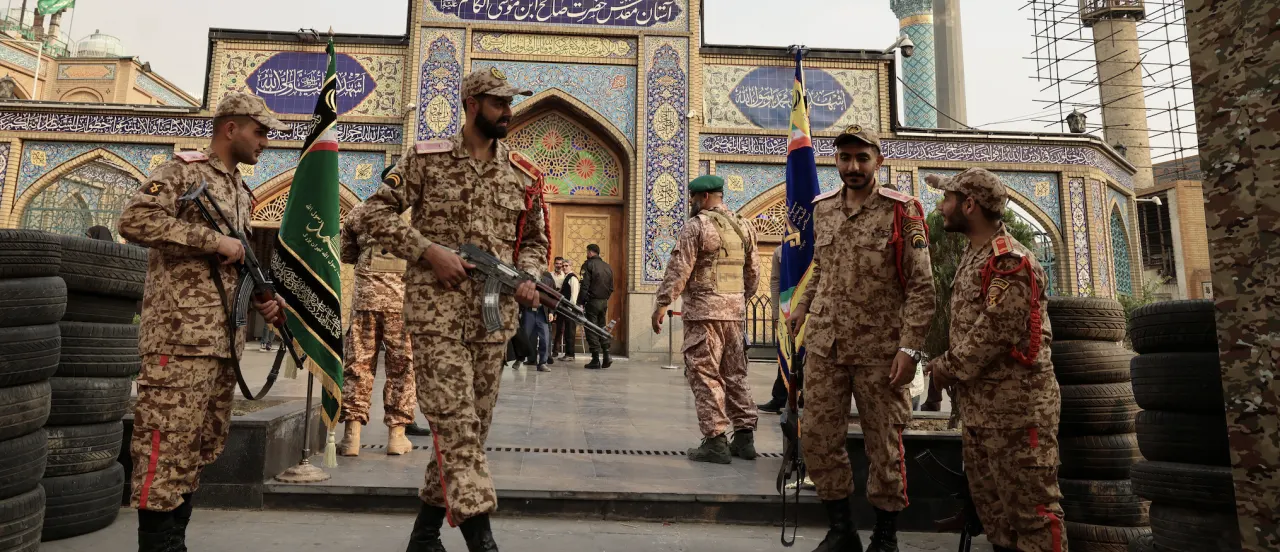
US Central Command chief Admiral Brad Cooper met senior Israeli military and intelligence officials in Tel Aviv as Israel prepared for possible renewed fighting with Iran. The talks matter because Israel is seeking coordinated US strikes, while President Donald Trump has held off on further action and Gulf allies have urged restraint.
Cooper met IDF Chief of Staff Eyal Zamir and Mossad Director Roman Gofman on Wednesday, and he and Zamir conducted a regional security assessment with senior commanders. Gofman had earlier urged Trump administration officials, including CIA Director John Ratcliffe, to support joint strikes. Israel was on its highest alert, while Prime Minister Benjamin Netanyahu faced political uncertainty after an inconclusive 27 October election.
In short
- US and Israeli defence chiefs held talks in Tel Aviv.
- Israel is seeking coordinated strikes against Iran.
- Trump has held off as Gulf allies urge restraint.
Steelman: both sides, in good faith
The strongest fair case each way — we don't pick a winner.
The case for
Supporters of coordinated US-Israeli strikes could argue that Iran’s military capabilities and the risk of renewed conflict threaten Israel and regional security, and that joint planning would improve deterrence and operational coordination. They may see close consultation as a way to protect US personnel and allies if fighting resumes, while giving Washington influence over the timing and scope of any action.
The case against
Those urging restraint could argue that further strikes risk widening the conflict, endangering civilians and US forces, and provoking retaliation across the region. They may favour diplomacy and containment, noting that Gulf allies have called for restraint and that US support for an Israeli operation could reduce Washington’s room to manage escalation.
Explained simply
The US Central Command oversees American military operations across the Middle East and nearby regions. Israel’s armed forces are led by the Israel Defense Forces, while Mossad is the country’s foreign intelligence agency; their senior leaders help shape security planning.
Israel and Iran have been rivals for decades, with tensions involving military strikes, regional allies and Iran’s nuclear programme. The United States is a close Israeli ally, but its decisions about military action also affect its relations with Gulf countries, which have called for restraint.
Benjamin Netanyahu is Israel’s prime minister, and domestic political uncertainty can affect how his government approaches security decisions. Any renewed fighting could have consequences beyond Israel and Iran, including for neighbouring countries and regional stability.
Americas Middle East Politics World