World news and discussion on TalkFuse.
Conservatives urge critical status for North Sea energy infrastructure
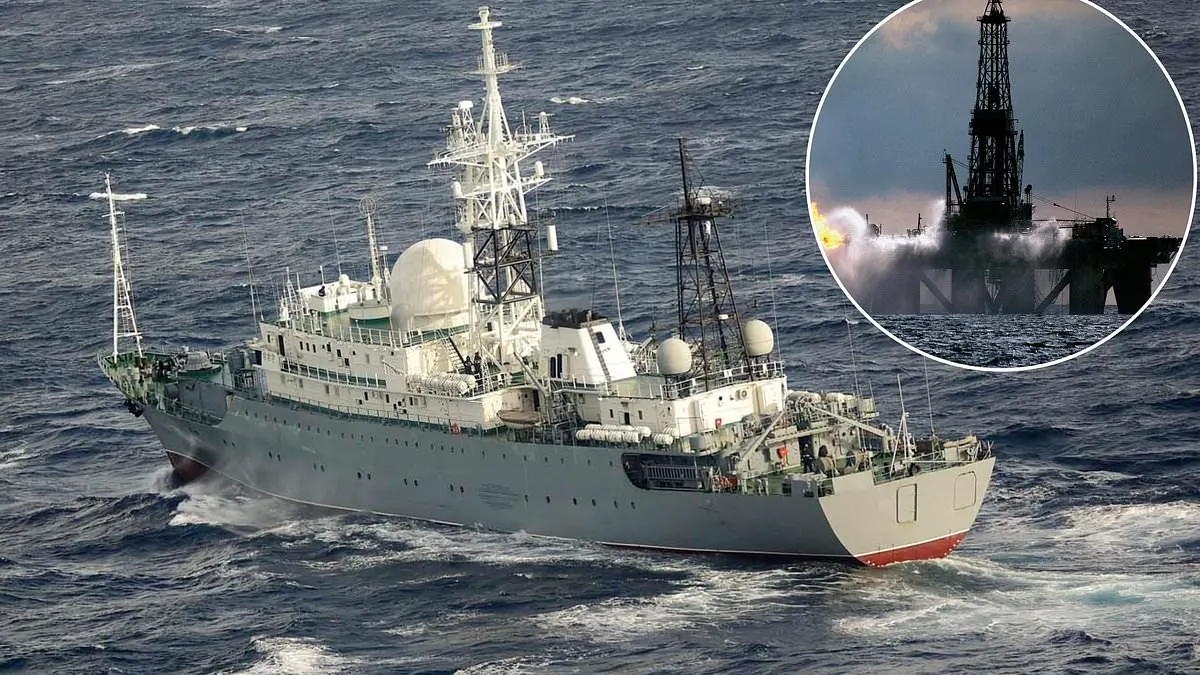
Senior Conservatives are urging the UK Government to strengthen protection of Scotland’s North Sea energy infrastructure, warning that Russian and Chinese vessels have been operating near key pipelines. They say disruption could threaten energy supplies and the wider economy, and are calling for offshore energy assets to receive critical national infrastructure status.
In a joint letter to ministers, shadow defence secretary James Cartlidge, shadow energy secretary Andrew Bowie and shadow Scottish secretary Harriet Cross say the designation would bring more security information, monitoring and physical and digital protections. They cite reports of Russian vessels lingering over the FLAGS and Frigg UK pipelines, which lead to the St Fergus gas terminal, as well as activity by a Chinese vessel, sightings of the Russian intelligence ship Yantar and unidentified drones near offshore infrastructure. The Conservatives also linked the issue to defence spending and domestic oil and gas policy.
In short
- Conservatives want North Sea energy assets classed as critical infrastructure.
- They cite reports of Russian and Chinese vessels near pipelines.
- The proposed status could bring more monitoring and protection.
Steelman: both sides, in good faith
The strongest fair case each way — we don't pick a winner.
The case for
Designating offshore energy assets as critical national infrastructure could improve monitoring, information-sharing and physical and digital protection of pipelines that supply the UK. Given reported activity by foreign vessels and the potential economic consequences of disruption, supporters argue that stronger safeguards are a prudent way to protect energy security and prepare for emerging threats.
The case against
A stronger designation may add security measures without clear evidence that existing protections are inadequate or that the reported vessel activity indicates an imminent threat. Ministers could argue that targeted monitoring and cooperation with allies offer a more proportionate response, while broadening the designation risks diverting resources from other priorities and tying infrastructure security to wider disputes over defence spending and domestic energy policy.
Read the full article at the source →
Originally published by Daily Mail as “Tories’ North Sea security fears amid growing threat from Russia and China”.