Griffith rules out immediate inheritance tax cut if Tories return to power
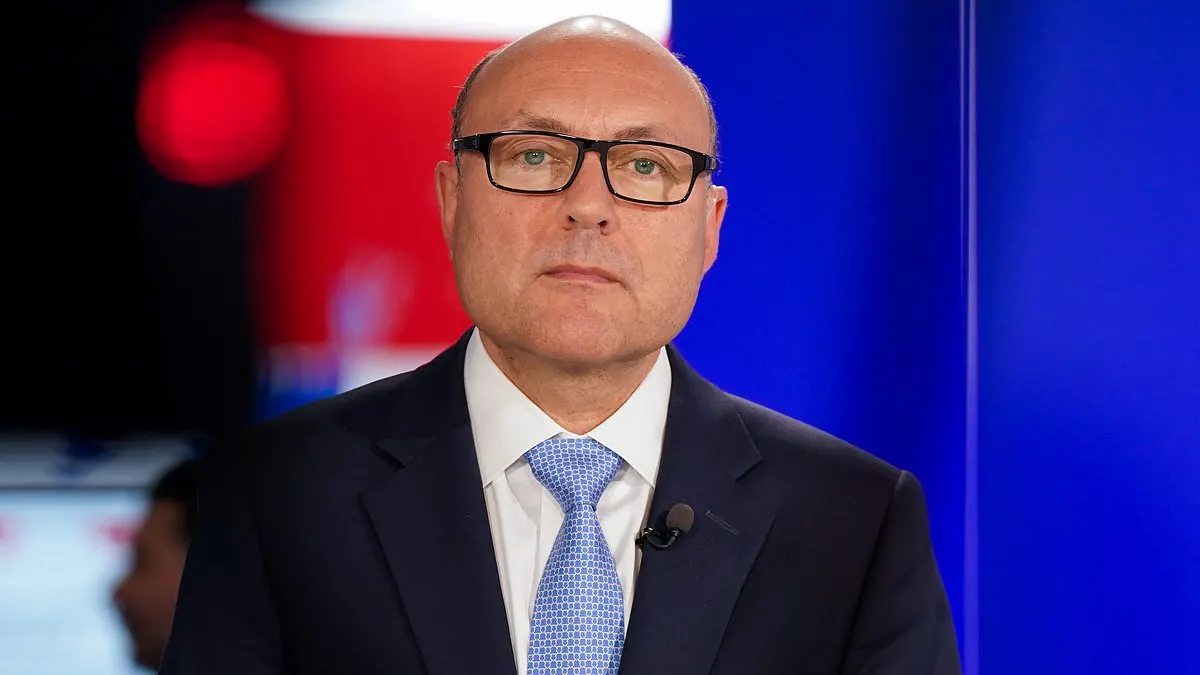
The Conservative Party's shadow chancellor, Andrew Griffith, has admitted his party will not immediately reduce inheritance tax if it returns to power. Griffith said any tax cuts or spending pledges would only be implemented once he could demonstrate how they would be funded, effectively tempering expectations set by party leader Kemi Badenoch, who has signalled that cutting inheritance tax would be "morally right". This caution reflects concerns about the state of public finances expected to be inherited from the current Labour government.
Griffith told Sky News that whilst both he and Badenoch support removing inheritance tax eventually, the poor state of public finances makes this impossible on day one. He cited 28-year-high borrowing costs and characterised the expected inherited public finances as "the worst in history". Inheritance tax is levied at 40 per cent on estates worth more than £325,000, though married couples can effectively protect up to £1 million through allowances and relief on primary homes.
- Tory shadow chancellor admits inheritance tax cuts can't happen immediately.
- Inheriting worst public finances in history will delay Conservative tax plans.
- Party leader supports removing inheritance tax but won't commit to timeline.
New here? Start with this
Inheritance tax is a charge of 40 per cent on estates worth more than £325,000 when someone dies. The Conservative Party has long opposed this tax, arguing that it penalises people for saving and passing wealth to their families. Removing inheritance tax has been a longstanding Conservative ambition.
The party's leader, Kemi Badenoch, has indicated that cutting inheritance tax would be a priority if the Conservatives return to power, describing it as the "morally right" course of action. Andrew Griffith, the party's shadow chancellor (who would manage public finances if they returned to power), has warned that Britain's current financial situation makes this impossible immediately. This highlights a common tension in politics between what parties wish to do and what the state of public finances allows them to implement.
Griffith points to weak public finances inherited from the Labour government, citing high borrowing costs and depleted reserves as reasons the Conservatives cannot promise immediate inheritance tax cuts, despite supporting the policy in principle. The condition of a country's finances can force political parties to postpone or scale back their plans, even for policies they strongly support.
Both sides, in good faith
The strongest fair case each way — we don't pick a winner.
The case for
Inheritance tax represents fundamentally unjust double taxation that penalises saving and damages family businesses and farms passed across generations. If Conservatives genuinely believe removing it is 'morally right' as their leader has stated, that principle should not be conditional on fiscal circumstances, as questions of fairness ought not depend on budget conditions. Tax relief could stimulate growth and revenue, and abandoning these cuts immediately damages party credibility and its core identity as committed to lower taxation.
The case against
Sound economic management requires that tax cuts be properly funded and sustainable before implementation; with borrowing costs at 28-year highs and public finances in severe difficulty, unfunded cuts risk economic instability and rising debt. Inheritance tax is a relatively modest revenue source, and demonstrating realistic, fully costed commitments builds stronger credibility than rushing through unfunded promises that may require later reversal. Pursuing inheritance tax reform gradually, once fiscal conditions improve, allows Conservatives to honour their principles whilst maintaining the fiscal discipline voters ultimately expect.
Read the full article at the source →
Originally published by Daily Mail as “Tories won’t be able to slash inheritance tax immediately admits Andrew Griffith – as shadow chancellor fears Labour will hand over ‘worst public finances in history’”.