Video games news, releases, esports and culture — all the biggest gaming stories in one place.
Total War Medieval 3’s diplomacy is built on Three Kingdoms, but this time it’s all about agendas
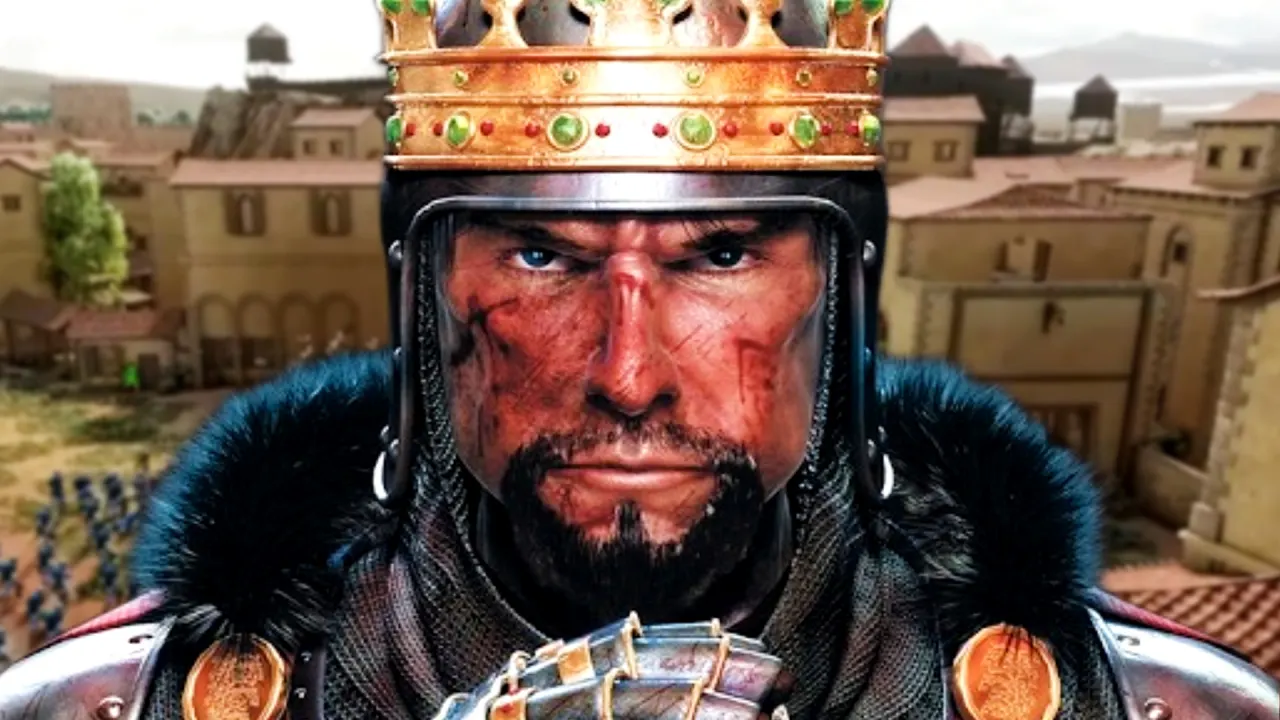
Creative Assembly has outlined how diplomacy will work in Total War: Medieval 3, building on the dynamic alliances and coalitions of Total War: Three Kingdoms. The studio aims to make computer-controlled factions behave like independent powers that pursue their own interests, so players can infer their intentions from their diplomatic actions. This matters because it could make the game world feel more alive and less built around the player as the sole target of AI hostility.
Game Director Pawel Wojs and Creative Director Leif Walter describe three focuses: believable agendas, integration into the world, and momentum. Weak factions, for example, may seek peace or desperately look for allies rather than remain in a war they are bound to lose. Diplomacy will also affect the economy, technology and recruitment, while travel distance, ports and trade routes determine when diplomatic efforts become meaningful. A Building Medieval 3 livestream returns next week, and it will reveal the results of a recent faction survey.
In short
- Creative Assembly is reworking diplomacy for Total War: Medieval 3.
- AI factions will pursue clear, self-preserving agendas rather than simply opposing the player.
- Diplomacy will shape the economy, technology and recruitment, with momentum driving long-term plans.