Science news and discussion on TalkFuse.
Town gets in a flap over High Street pigeon mess
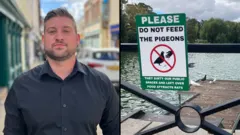
Diss, a market town in Norfolk, is struggling with an ongoing pigeon problem on its High Street, with the mayor calling on residents and businesses to help tackle the mess. Declan Craggs, mayor of Diss, said the town council has tried ultrasonic sound devices and a falconer's hawks to deter pigeons from Mere Street, but nothing has worked, leaving droppings and feathers covering the area. The issue matters because it highlights the difficulty councils face in balancing cleanliness concerns with animal welfare views, as some residents feel the birds are being unfairly blamed.
The council has asked businesses to fit spikes and other deterrents on ledges, and has put up signs urging people to stop feeding the pigeons, though the problem persists. Views among locals are divided: one visitor called for a cull, while others, including a shop worker and a long-time butcher, said they loved the birds or accepted the council was doing its best with limited resources. Norwich City Council has faced a similar issue at its market, where a hired falconer failed to disperse the birds and a proposal to use contraceptives has not been adopted; the authority says it continues to explore humane, long-term solutions.
In short
- Diss, Norfolk struggles to control High Street pigeon mess despite deterrents.
- Ultrasonic devices and falconer's hawks have failed to work.
- Norwich faces a similar pigeon problem at its market.
Steelman: both sides, in good faith
The strongest fair case each way — we don't pick a winner.
The case for
Those seeking stronger pigeon controls argue that persistent droppings and feathers make the High Street unpleasant and can affect local businesses, so the council has a responsibility to address the problem. They may favour practical deterrents, and some may support more decisive measures if gentler approaches continue to fail, provided animal welfare is considered.
The case against
Those opposing harsher controls argue that pigeons are part of town life and should not be treated as pests simply because they are visible; residents also value them, and feeding or other human activity may contribute to the problem. They favour humane, long-term measures and argue that limited council resources should be used carefully rather than escalating to a cull.
Explained simply
Diss is a market town in Norfolk, where pigeons have gathered along the main shopping streets. Their droppings and feathers can make pavements and shopfronts harder to keep clean, and feeding can encourage birds to return.
The town council and local businesses are involved because they manage public spaces and building ledges where pigeons perch. People in the town have different views: some want fewer birds, while others value them or accept that they are difficult to deter.
The issue raises a broader question for councils: how to keep busy public areas clean while taking account of concerns about the birds’ welfare. Norwich has faced a similar challenge at its market, showing that deterrents may not provide an easy, lasting answer.