World news and discussion on TalkFuse.
Toxic air pollution surges in Indian capital
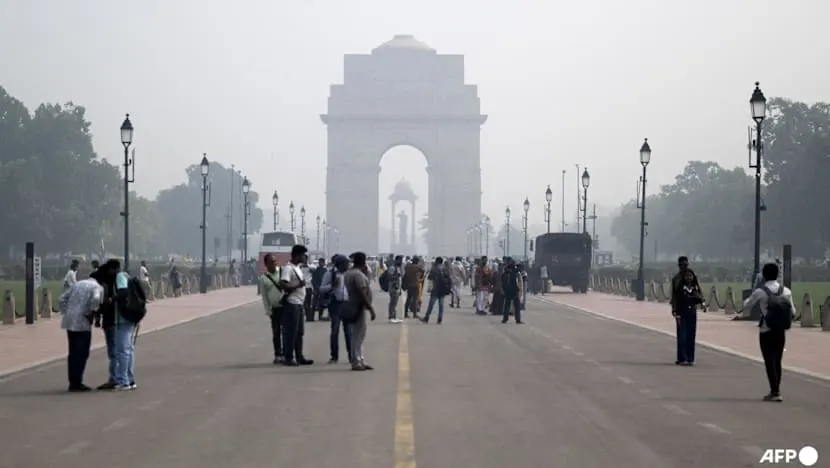
Air pollution in New Delhi climbed on Wednesday to more than 30 times the World Health Organization’s recommended daily limit, despite recently tightened restrictions on traffic and construction. The surge matters because the city’s already hazardous air is expected to worsen before Sunday’s Deepavali, when fireworks add to pollution.
PM2.5 readings exceeded 461 micrograms per cubic metre in parts of the city, according to IQAir. India’s environment ministry attributes 23 per cent of Delhi’s winter pollution to vehicles, 20 per cent to biomass burning and about 9 per cent to industry; secondary particles account for 27 per cent. A 2024 study estimated air pollution was linked to 3.8 million deaths in India from 2009 to 2019.
In short
- Delhi’s PM2.5 pollution exceeded 30 times the WHO daily limit.
- Parts of the city recorded more than 461 micrograms per cubic metre.
- Fireworks may worsen air quality before Deepavali.
Explained simply
New Delhi, India’s capital, experiences particularly high air pollution in winter, when still air can trap pollutants near the ground. Fine particles known as PM2.5 are small enough to enter the lungs and bloodstream, and health experts link long-term exposure to serious illness.
Pollution comes from several sources, including vehicles, industry and the burning of plant material; some particles also form through chemical reactions in the air. Deepavali, a major Hindu festival, is celebrated with lamps and fireworks, which can add to pollution. Air quality matters because it affects the health of people across the city.
Asia Environment Science World