Toxic wildfire haze spreads across South East Asia as ‘super’ El Niño intensifies
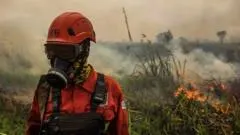
A toxic haze from weeks-long wildfires in Indonesia is spreading across South East Asia, affecting Malaysia, Singapore and the Philippines, with air pollution in some areas reaching over 15 times World Health Organization guidelines. The fires, burning since mid-July across Sumatra and Indonesian Borneo, have been worsened by a "Super El Niño" driving severe drought, and are causing widespread respiratory illness while also threatening to release vast stores of carbon locked in the region's peatlands.
Indonesia's Health Ministry recorded more than 50,000 respiratory infection cases linked to the fires between July and August, over 12,000 of them in children under five, with residents from South Kalimantan to the Philippine province of Palawan reporting coughs, sore throats and eye irritation. Experts trace the crisis to decades of land-use change dating from the Suharto era, with environmental groups alleging that companies still use fire to clear land cheaply for plantations; because the fires are burning through some of the world's largest tropical peatlands, which normally store carbon for millennia, they risk becoming a "carbon bomb" if drained and ignited.
In short
- Wildfire haze from Indonesia is choking South East Asia amid a "Super El Niño"
- Over 50,000 respiratory infections reported in Indonesia since July
- Peatland fires risk releasing huge stores of locked-in carbon
Explained simply
Indonesia’s islands of Sumatra and Borneo contain extensive peatlands: waterlogged soils made from partly decayed plants that store large amounts of carbon. Draining or burning peat can release that carbon into the air, and peat fires can be difficult to put out.
For decades, forests and peatlands have been cleared for farms and plantations, including during the Suharto era, when he led Indonesia. Environmental groups say some companies still use fire to clear land because it is cheap; El Niño, a natural climate pattern that can bring drier conditions to the region, can make fires more likely to spread.
Smoke from fires can travel across national borders and irritate people’s lungs and eyes. The haze therefore affects Indonesia and neighbouring countries, while fires in carbon-rich peatlands can add greenhouse gases that contribute to climate change.