World news and discussion on TalkFuse.
Trading Day: A November 5 market bonfire
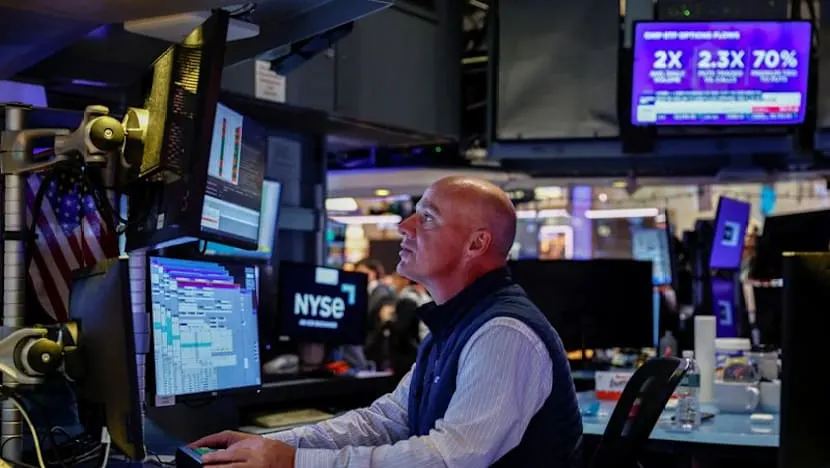
US stocks plunged on Thursday as investors reversed their enthusiasm for technology and AI shares after Democrats’ sweeping midterm election wins. The sell-off reflected concerns that Democratic control of Congress could slow the expansion of AI data centres, while the Nasdaq’s fall put it firmly in correction territory and erased about US$2 trillion in market value.
The Nasdaq dropped 5.5 per cent and the S&P 500 fell 4.4 per cent; the Philadelphia semiconductor index sank 12 per cent, its second-biggest fall on record. SanDisk shares lost 22 per cent, while Micron, AMD and Marvell each fell 17 per cent. Investors also weighed mixed signals from central banks: the Bank of England raised rates for the first time since 2023, while US employment figures due on Friday were expected to show 65,000 new jobs and unemployment holding at 4.2 per cent.
In short
- US tech shares suffered a sharp sell-off after the midterm results.
- The chip index fell 12 per cent, its second-biggest drop on record.
- Investors are watching Friday’s US jobs figures and central bank signals.
Steelman: both sides, in good faith
The strongest fair case each way — we don't pick a winner.
The case for
A Democratic majority could give policymakers more scope to scrutinise the rapid build-out of AI data centres, including their effects on electricity demand, local communities and the environment. Investors may reasonably see the prospect of tighter oversight or slower expansion as a risk to technology firms’ expected growth and valuations.
The case against
The market decline may overstate what election results alone imply: congressional control does not guarantee new restrictions, and the scale and timing of any policy changes remain uncertain. Investors could argue that oversight might address legitimate infrastructure concerns without stopping AI development, while the sell-off also reflects broader uncertainty about interest rates and economic conditions.
Explained simply
AI companies have attracted heavy investment because they expect demand for computing power to keep growing. That has driven construction of large data centres, which use substantial amounts of electricity and equipment such as computer chips.
The companies building those facilities depend on decisions by governments about energy, planning and public spending. Democrats’ election victories raised questions among investors about whether US policy might slow data-centre expansion, making the future earnings of technology firms less certain.
Stock markets bring together investors buying and selling shares in companies. When expectations change, share prices can move sharply, affecting household savings and the cost for businesses to raise money.