Traffic through Strait of Hormuz falls steeply after new US-Iran strikes
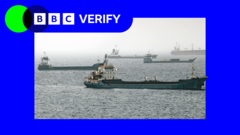
Traffic through the Strait of Hormuz has fallen sharply following a fresh round of tit-for-tat strikes between the United States and Iran, triggered by an attack on three tankers earlier in the week. Only 23 tankers and cargo ships crossed the strategically vital Gulf waterway on Wednesday, down from 47 a week earlier, according to maritime intelligence firm Kpler. As more than a fifth of the world's oil and gas supplies pass through the strait, the renewed violence raises concerns about global energy security and the fragility of a peace deal signed in June.
The three vessels struck this week — a Qatar-owned LNG tanker, a Saudi-owned crude oil tanker and a Liberia-flagged crude tanker — were using a US-recommended route through Omani waters, which Iran disputes, insisting the only "safe" passage lies through lanes it controls near its own coast. Before the conflict, an average of 138 ships crossed daily; this collapsed to a handful after US and Israeli strikes on 28 February, recovered to a peak of 72 following the 17 June agreement, and has now slumped again, with no ships using the Omani route on Wednesday. The memorandum of understanding committed Iran to "best efforts" for safe, charge-free passage for 60 days, but critics call it vague, and President Trump has since declared the MOU "over" while negotiations continue.
- Hormuz ship traffic halved to 23 crossings after renewed US-Iran strikes.
- Three tankers on a US-recommended Omani route were attacked this week.
- Iran and the US dispute control of the strategic waterway.