Trains cancelled and carriages sealed up after BED BUGS crawl over drivers’ bags
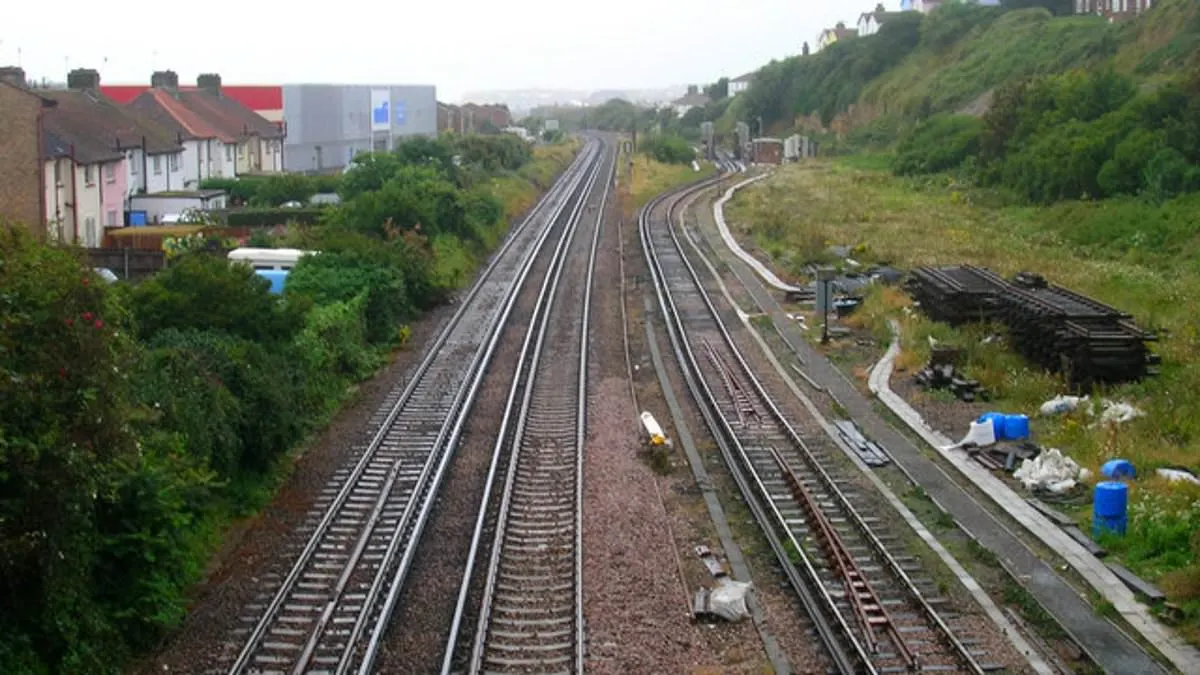
Bed bugs discovered in train driver cabs at a Southeastern railway depot near Hastings, East Sussex have caused multiple train cancellations since 22 September. Drivers have refused to continue work, with at least three trains removed from service on Friday alone as pest control measures were arranged.
The infestation at West Marina depot, which serves London-Kent routes, affected two driver cabs. One driver refused to operate his train without protective equipment; with none available, two trains were cancelled. Pest control was called Friday morning, and Southeastern confirmed the bugs remain isolated to driver areas only, with no contamination in passenger sections.
- Bed bugs discovered in train cabs caused multiple cancellations since late September
- Driver refused to work without protective suit, causing further service disruptions
- Contamination confirmed to driver areas, no passenger risk identified
New here? Start with this
Southeastern is one of Britain's major train operators, running daily services between London and Kent through south-east England. A bed bug infestation has been discovered at its West Marina depot near Hastings, causing multiple train cancellations since late September. Bed bugs are small insects and can be difficult to eliminate once established, raising concerns among railway staff.
The infestation was found in train driver cabs at the depot, prompting staff to refuse to work without protective equipment. Multiple trains have been cancelled as a result. The railway has confirmed the insects remain isolated to driver work areas only and have not affected passenger seating sections.
Resolving the problem requires pest control whilst ensuring worker safety. The infestation demonstrates how such issues can disrupt services on major transport routes.
Both sides, in good faith
The strongest fair case each way — we don't pick a winner.
The case for
Train drivers were entirely justified in refusing to work without protection from bed bugs. These pests pose genuine health and hygiene concerns, and workers have a fundamental right to safe working conditions, particularly in confined cab spaces. The railway's duty of care to employees justifies taking immediate action, including service cancellations if necessary, until proper remediation is verified and workers can return safely.
The case against
The discovery warranted swift action, but complete service cancellation appears disproportionate to the problem's actual scope. The infestation was confined to driver cabs, passengers were unaffected, and professional pest control was arranged immediately. Temporary protective measures or expedited treatment of affected cabs could have adequately addressed worker safety concerns whilst maintaining service continuity.