Politics news and discussion on TalkFuse.
Trans law should be scrapped, say church leaders as they would ‘criminalise’ Christian preaching
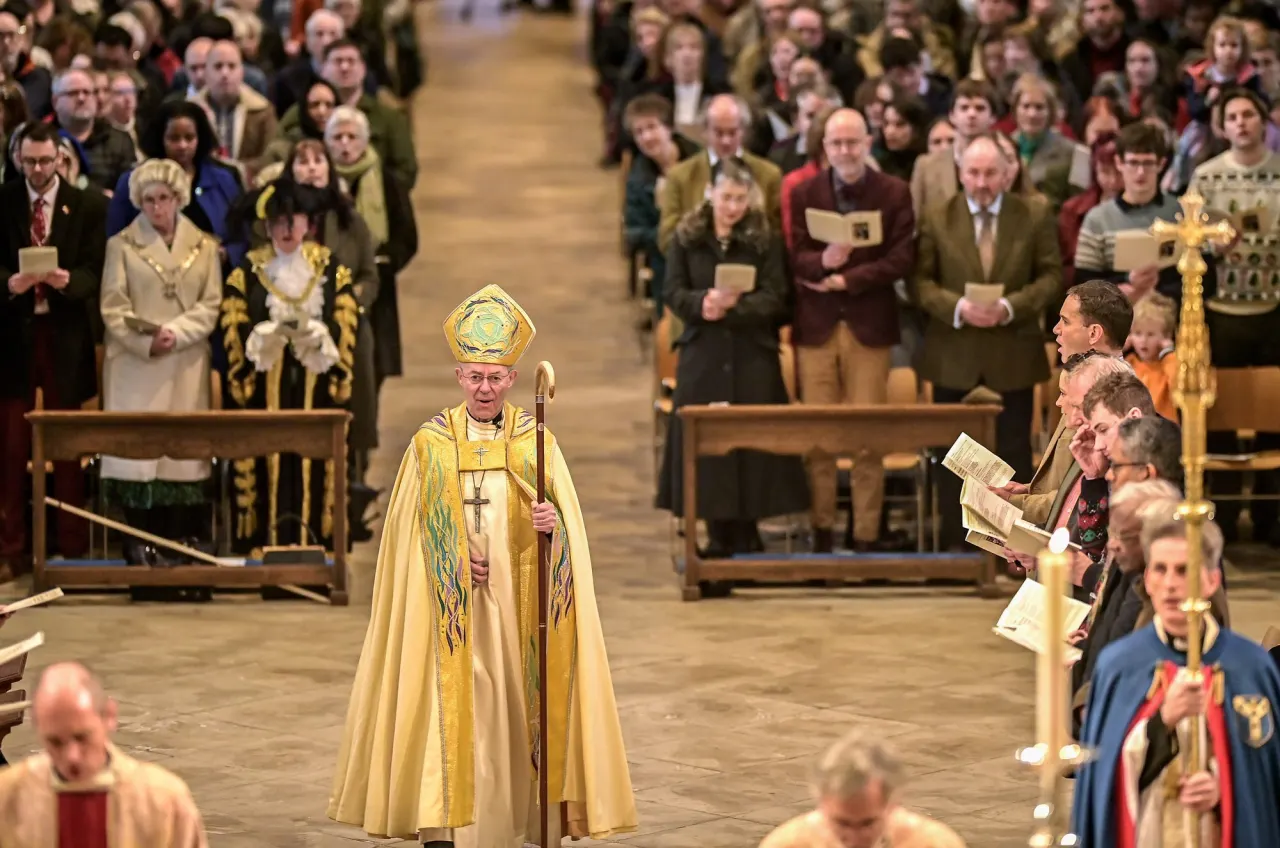
More than 1,300 church leaders and ministers have urged Labour to amend or scrap its draft Conversion Practices Bill, saying it could criminalise ordinary Christian teaching and conversations about sexuality and gender. The dispute matters because it pits protections against coercive attempts to change someone’s identity against concerns about freedom of religion and speech.
The draft bill would allow prison sentences of up to five years for pressuring someone to change their gender identity or sexuality. The conservative Christian group Greater Love Declaration organised the letter to Equalities Minister Bridget Phillipson, with about 1,500 additional supporters; signatories include Anglican, Catholic, Presbyterian, Baptist and Pentecostal leaders. The Government says prayer, religious expression and differing beliefs are not abusive practices covered by the draft, which is undergoing pre-legislative scrutiny.
In short
- More than 1,300 church leaders want changes to the draft bill.
- The proposal carries sentences of up to five years.
- The Government says ordinary prayer and belief are outside its scope.
Steelman: both sides, in good faith
The strongest fair case each way — we don't pick a winner.
The case for
Supporters of the bill argue that people should be protected from coercive efforts to change their sexuality or gender identity, which can cause serious harm, including when presented as religious guidance. Clear legal safeguards and penalties could deter abuse while the Government’s stated exclusions for prayer and ordinary religious expression preserve space for faith communities to discuss their beliefs.
The case against
Opponents argue that broad or unclear wording could make pastors, parents or others fear prosecution for expressing traditional beliefs or having conversations about sexuality and gender, even without coercion. They say the bill should define prohibited conduct narrowly and protect sincere religious teaching and consensual discussion, so safeguarding people does not unduly restrict freedom of religion and speech.