Transfer portal, not NIL, reason for parity, claims college football expert Brooks Austin
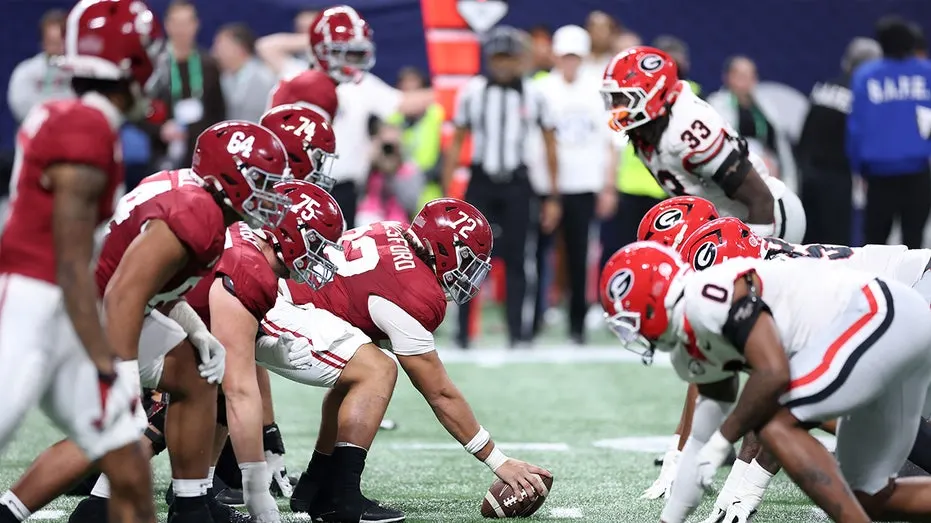
College football expert Brooks Austin argues that the transfer portal, more than name, image and likeness (NIL) payments, is driving the sport’s growing parity. He says players’ greater freedom to move between programmes makes it harder for traditional powers to keep talented reserves on the bench, helping spread depth and ability across teams.
Austin acknowledges NIL has also helped distribute talent, but says the portal is the bigger factor. He points to Georgia and Alabama’s depleted line-ups in the 2025 SEC Championship Game, contrasting them with Georgia’s ability in 2022 to call on a former five-star reserve when a starter was injured. The article says that, eight weeks into the 2026 season, no team has emerged as dominant.
In short
- Brooks Austin says player movement is the main driver of college football parity.
- NIL also spreads talent, but the transfer portal gives players more options.
- Traditional powers have less depth to call on when starters are unavailable.
Steelman: both sides, in good faith
The strongest fair case each way — we don't pick a winner.
The case for
The transfer portal gives players more control over their careers and lets them seek playing time elsewhere, making it harder for a few elite programmes to retain deep benches of unused talent. That can spread experienced players across the sport and make more teams competitive; the examples cited suggest traditional powers may now have less ready-made cover when starters are unavailable.
The case against
The portal may be only part of the explanation for closer competition, and a few games or an early-season snapshot cannot establish that it is the main cause. NIL funding, coaching, recruiting, injuries and ordinary year-to-year variation can also shape team strength; the portal can even help wealthy programmes recruit established players, so its effects on parity are not necessarily one-way.
Explained simply
College football teams are linked to universities and compete in conferences, including the Southeastern Conference (SEC). For years, a small number of well-resourced programmes, such as Alabama and Georgia, often recruited more highly rated players than they could all fit into their starting line-ups.
The transfer portal is a system that lets players make themselves available to move to another university team. Name, image and likeness (NIL) refers to deals that allow players to earn money using their public profile. Both changes can affect where talented players end up.
Brooks Austin is a college football analyst who argues that easier transfers have spread talent by giving reserve players more chances to leave for playing time elsewhere. The debate matters because it concerns whether these changes are making teams more evenly matched, and how much of that shift is due to player movement or NIL deals.
Business Football Markets Sport World