World news and discussion on TalkFuse.
Travelers clash after TSA shares surprising guidance about airport etiquette
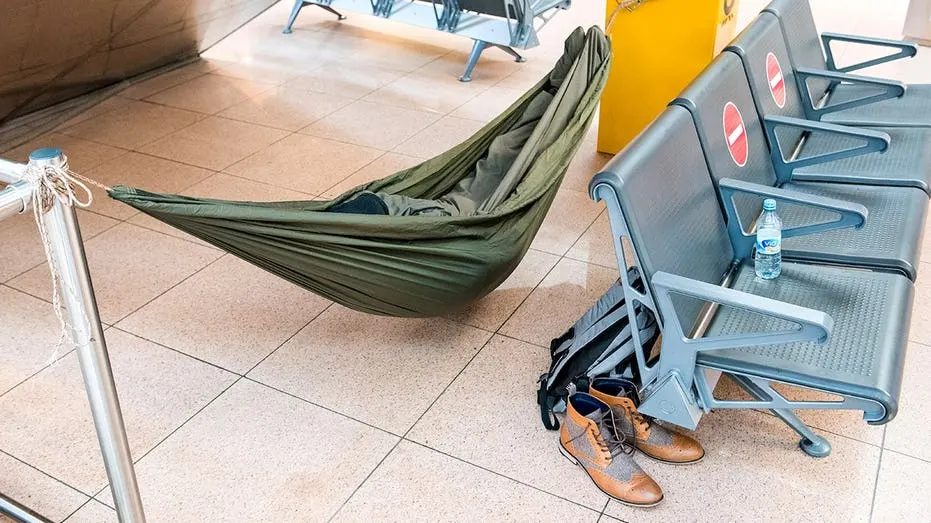
The US Transportation Security Administration has prompted an online debate after suggesting passengers could bring hammocks to airports to rest during long layovers. The advice drew attention because, while it may offer a novel way to relax, using a hammock in a busy terminal could affect space, safety and other travellers’ comfort.
In a social-media post for National Hammock Day, the TSA said that nobody had said travellers could not bring a hammock to an airport. It advised passengers to check with the individual airport about where they could hang a “napping apparatus”, acknowledging that local rules and etiquette would determine whether it was practical.
In short
- TSA suggested travellers can bring hammocks to airports.
- Passengers should check local airport rules first.
- The advice sparked debate over terminal etiquette.
Steelman: both sides, in good faith
The strongest fair case each way — we don't pick a winner.
The case for
Travellers facing long layovers may reasonably want a comfortable way to rest, and a hammock could be a lightweight option where an airport has suitable space. The TSA’s advice leaves the decision to individual airports, so passengers can check local rules and avoid disrupting others.
The case against
Airport terminals are shared, often crowded spaces, and hanging a hammock could obstruct walkways, occupy seating or create safety concerns. Even where local rules allow it, other passengers may reasonably feel that setting up personal equipment is inconsiderate or impractical in a busy terminal.
Explained simply
The debate centres on what passengers should reasonably be allowed to do whilst resting in airport terminals during layovers. Many travellers face long waits between flights, particularly on international routes, and often seek ways to rest comfortably whilst airports struggle to provide adequate rest facilities.
The TSA, which oversees airport security and passenger regulations, has become involved in defining what behaviour and equipment passengers can use in terminals. Individual airports ultimately set their own policies, though guidance from the TSA and industry bodies influences how these rules develop.
The issue raises broader questions about airport design and passenger experience as travel becomes increasingly common and terminals grow more crowded. How airports balance passenger comfort with practical constraints of shared public spaces, safety considerations, and the needs of all passengers moving through, remains an evolving challenge.
Americas Business Culture Cybersecurity Markets Technology Travel World