Jury finds Texas deputy violated driver’s rights after surveillance-led stop
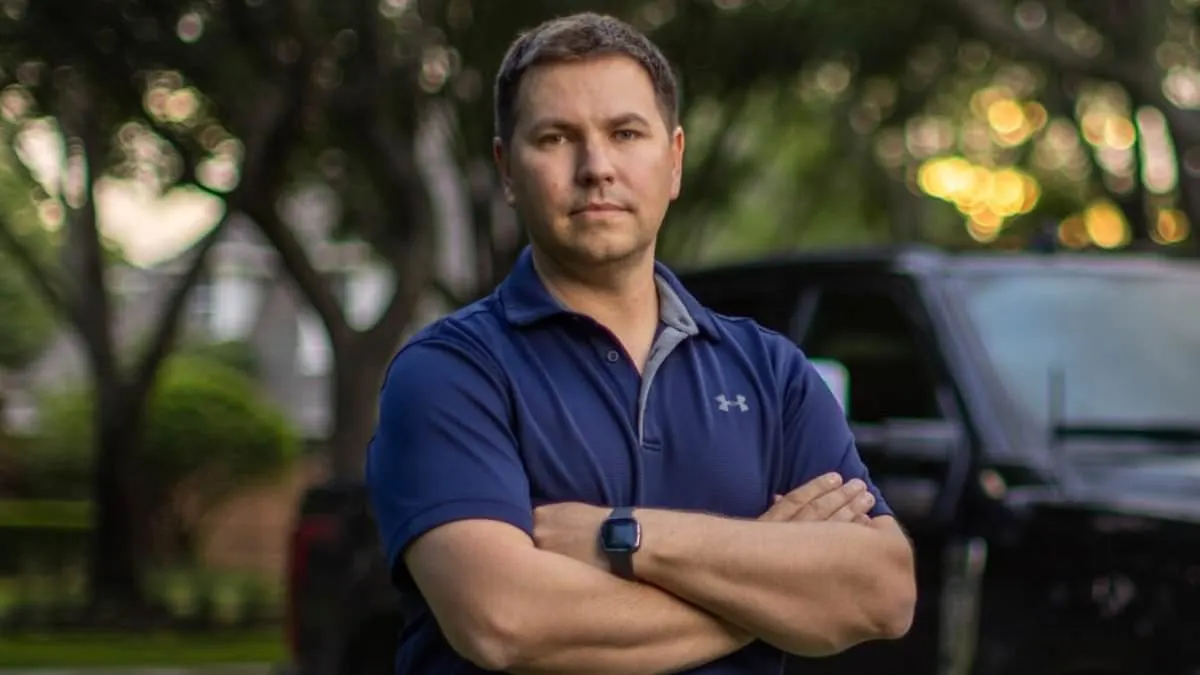
A federal jury has ruled that Alek Schott's constitutional rights were violated when a Texas sheriff's deputy pulled him over in March 2022 based on surveillance footage of a routine trip to the US-Mexico border that an anonymous law enforcement agent deemed "suspicious". The 76-minute traffic stop and subsequent search violated Schott's Fourth Amendment protections, highlighting the existence of a secretive network of surveillance cameras and licence plate readers that flag drivers for law enforcement without clear oversight or verification procedures.
Schott's case exposed the scope of Texas's surveillance infrastructure, which includes cameras on mile markers, tow trucks and in neighbourhoods, with information fed into a database monitored by officers who communicate suspected "suspicious" drivers through a WhatsApp group called Northwest Highway Group. Deputies reportedly take alerts from this chat group at face value without verification, using them as pretexts for traffic stops. Little is known about who owns, operates or determines what qualifies as suspicious behaviour within this network, with the system's reach extending so far as to track passengers in vehicles and record their movements across the state.
- Federal jury rules Texas surveillance network violated driver's constitutional rights
- Secret camera and licence plate reader system flags ordinary behaviour as suspicious
- Deputies receive unverified alerts via WhatsApp to stop and search drivers
New here? Start with this
A federal jury has ruled that a Texas deputy violated driver Alek Schott's constitutional rights by pulling him over based on information from a secretive surveillance network in March 2022. Schott was stopped for over an hour and his vehicle was searched because an anonymous law enforcement officer had flagged him as suspicious after reviewing surveillance footage of a routine trip to the US-Mexico border, a violation of his Fourth Amendment protections against unreasonable searches.
Texas operates an extensive but largely unknown surveillance system with cameras on mile markers, tow trucks and in neighbourhoods, all feeding information into databases monitored by law enforcement. Officers communicate suspected suspicious activity through a private WhatsApp group called the Northwest Highway Group, and deputies reportedly act on these alerts without verifying the information or questioning why a routine journey has been flagged.
The case raises questions about how this surveillance infrastructure is controlled and overseen. Little is publicly known about who owns the system, how it determines what counts as suspicious behaviour, or what safeguards exist to prevent misuse, whilst the network's reach extends to tracking passengers within vehicles and recording their movements across the state.
Both sides, in good faith
The strongest fair case each way — we don't pick a winner.
The case for
Law enforcement requires modern surveillance tools to address serious security concerns, particularly in border regions where criminal activity is prevalent. While this case resulted in an adverse ruling, that does not necessarily invalidate the system's overall utility; instead, improvements to oversight and verification procedures could address the identified issues whilst preserving essential investigative capabilities.
The case against
The Fourth Amendment protects against unreasonable searches, and this case demonstrates how surveillance systems without clear standards or oversight can weaponise law enforcement against innocent citizens. Flagging routine border travel as suspicious and conducting a 76-minute stop without evidence represents constitutional overreach; the jury's verdict confirms that vague surveillance criteria must not guide police actions.
Read the full article at the source →
Originally published by Daily Mail as “Unsettling secretive network is causing drivers to be pulled over, aggressively searched and detained by cops even though they’ve done nothing wrong… and it took a stroke of luck to finally expose it”.