Trent Reznor had no faith in the Nine Inch Nails album that sold 5,000,000 copies: “I thought there was a danger”
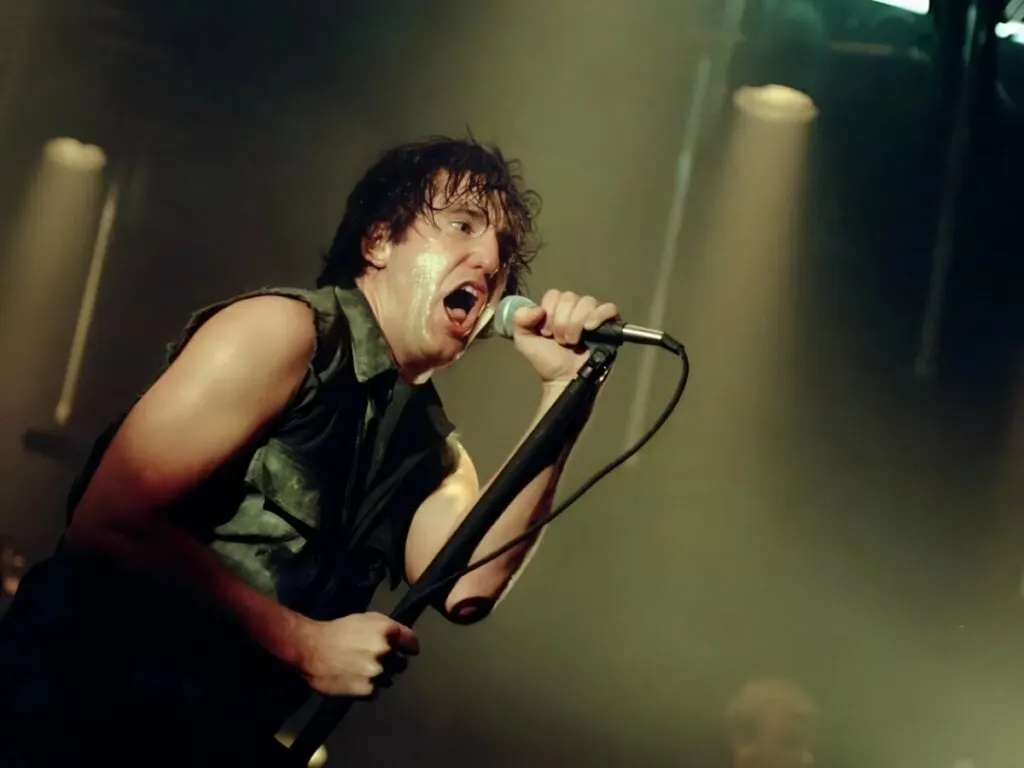
Trent Reznor worried that Nine Inch Nails’ second album, *The Downward Spiral*, had no obvious singles and might alienate fans of *Pretty Hate Machine*. He shaped it around his troubled state of mind, combining industrial rock with quieter, ambient passages rather than simply making a heavier follow-up to the *Broken* EP.
The album’s unsettling sound included deliberate imperfections, such as loose drums at the end of ‘Piggy’ and piano on ‘Closer’ left slightly out of time. Reznor cited David Bowie’s *Low* as an influence and said he feared the record could damage the band commercially, though it went on to sell five million copies and be regarded as a classic.
- Reznor feared the album lacked radio-friendly singles.
- *The Downward Spiral* mixed industrial rock with ambient passages.
- The album went on to sell five million copies.
New here? Start with this
Nine Inch Nails is an American band led by Trent Reznor, whose music blends rock with electronic sounds. The band’s 1989 debut, Pretty Hate Machine, brought it a wider audience, while the 1992 Broken EP offered a shorter, more aggressive sound.
The Downward Spiral, released in 1994, was the band’s second full-length album. Reznor drew on David Bowie’s Low and used both abrasive industrial rock and quieter passages, with deliberately rough or uneven details in some recordings.
The album’s more varied, unsettling approach raised questions about whether it would connect with listeners familiar with the earlier releases. Its commercial success and lasting reputation made it a defining work in Nine Inch Nails’ career.