World news and discussion on TalkFuse.
Trial over violent arrest of Black man: French police officers offer apologies and questionable justifications
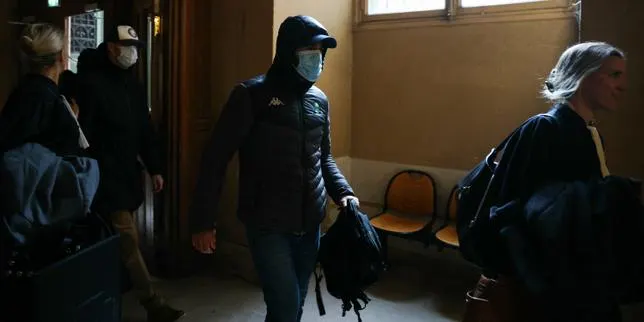
Three French police officers on trial over the beating of music producer Michel Zecler apologised in court, while offering differing accounts of how the violence began. Their testimony matters because the case also involves a false arrest report and questions about whether racial bias influenced the officers’ decision to stop Zecler.
The assault took place in Zecler’s Paris recording studio in November 2020. One officer said he regretted hitting Zecler, who was handcuffed and on the ground; another admitted committing forgery and said video evidence may have prevented Zecler being convicted of offences he did not commit. The officers denied using a racial slur, while lawyers questioned why Zecler had been viewed as suspicious; the forgery charge carries a possible sentence of up to 15 years.
In short
- Three officers apologised over the 2020 beating of Michel Zecler.
- One admitted forgery in a false arrest report.
- Lawyers questioned whether racial bias shaped the police stop.
Steelman: both sides, in good faith
The strongest fair case each way — we don't pick a winner.
The case for
The officers’ apologies and admissions of wrongdoing support the view that serious misconduct occurred, while their differing accounts may reflect individual recollections rather than a shared intent. A fair assessment should distinguish the admitted violence and false report from the separate, contested question of whether racial bias influenced the initial stop or the officers’ actions.
The case against
The beating of a handcuffed man and the admitted forgery give strong grounds to scrutinise the officers’ conduct and the credibility of their accounts. Their denial of a racial slur does not resolve whether bias shaped the decision to treat Zecler as suspicious, so that question merits examination alongside the criminal charges.
Explained simply
In France, police may stop and question people they suspect of an offence, but those decisions and any use of force are subject to legal scrutiny. Michel Zecler is a music producer whose recording studio in Paris was the setting for a police encounter in November 2020.
The case concerns both the force used during an arrest and the accuracy of the officers’ written account of it. Video of the encounter became important because it could be compared with that account and with claims about what happened.
The trial also raises questions about how suspicion is formed and whether race played a part in the stop. Its outcome may help clarify how French courts assess police conduct, official records and allegations of racial bias.