Politics news and discussion on TalkFuse.
HMS Vengeance ends record 217-day submerged Trident patrol
Developing story first seen 1 hour ago
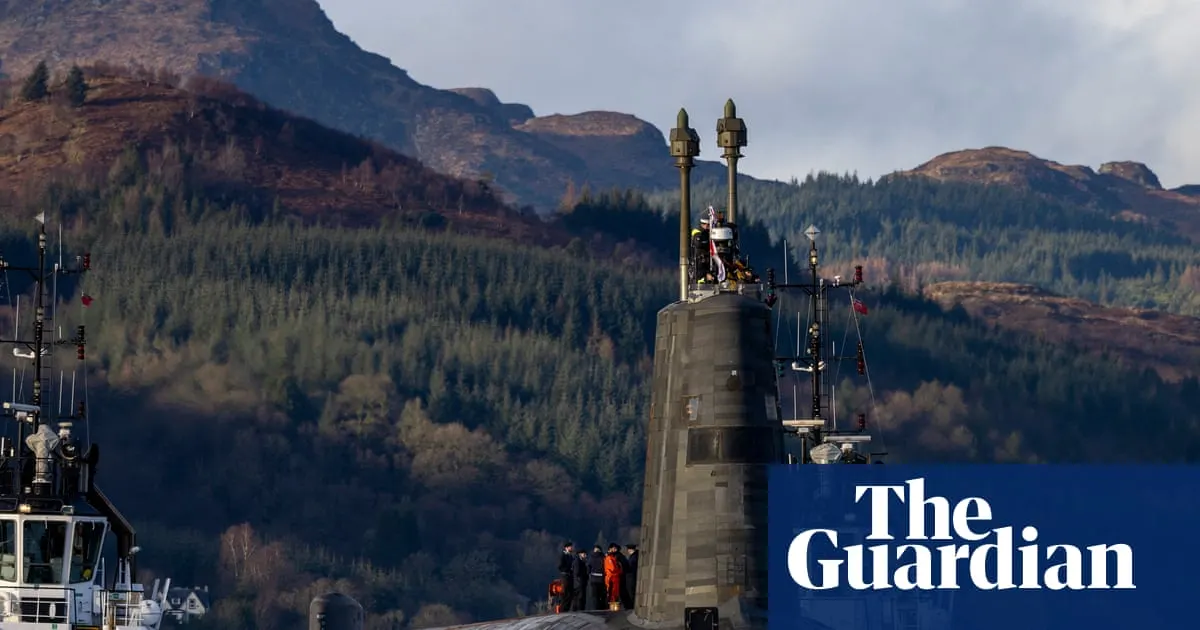
HMS Vengeance has returned to Faslane after spending a record 217 days submerged on patrol, 12 days longer than the previous record. The deployment has renewed concerns about the ageing submarine fleet’s maintenance delays and the effects of increasingly long missions on sailors.
The Vanguard-class boats were designed for three to four months at sea, carrying food for crews of about 140, and cannot be resupplied while their locations remain secret. The Royal Navy’s chief says maintenance needs to improve so submarines can return to service faster. The article also describes concerns about crew welfare and past allegations of bullying and abuse in the submarine service.
- Sources
- 2
- Outlets
- 2
- Left · Centre · Right
- 1 · 0 · 1
In short
- HMS Vengeance completed a record 217-day submerged patrol.
- The previous submarine patrol record was 205 days.
- Maintenance delays are extending missions and raising crew welfare concerns.
How this story developed
- 24 minutes ago The patrol surpassed the previous Trident submarine record by 12 days, underscoring how slow maintenance turnarounds can extend missions beyond the three to four months Vanguard-class boats were designed for.
- 29 minutes ago HMS Vengeance returned to Faslane after a record 217 days submerged, prompting fresh concern about the strain on its crew and maintenance delays across the ageing fleet.
Where outlets differ
Left-leaning outlets 1
Only here: vengeance, ends, submerged, trident
Right-leaning outlets 1
Only here: british, nuclear, submarine, makes, triumphant
Every side used: record, patrol
Headline columns compared word for word; nothing in them is AI-written.
Steelman: both sides, in good faith
The strongest fair case each way — we don't pick a winner.
The case for
A longer patrol can help sustain continuous at-sea deterrence when maintenance delays leave fewer submarines ready to deploy. Supporters may argue that keeping the nuclear deterrent credible protects national security, and that crews undertake demanding service as part of that responsibility, while better maintenance should reduce the need for unusually long missions.
The case against
A 217-day deployment far exceeds the patrols these submarines were designed for, with sailors isolated from contact and resupply for months. Critics may argue that deterrence does not justify avoidable strain on crews, particularly amid welfare concerns and allegations of abuse and harassment, and that maintenance and staffing should be improved before relying on such extended patrols.
Explained simply
The UK’s Trident submarines carry nuclear missiles and take turns patrolling at sea as part of the country’s nuclear deterrent. The Vanguard-class boats were designed for patrols of around three to four months, with crews of about 140 sailors.
A submarine on patrol cannot be resupplied or routinely contact the outside world, so long missions can put pressure on crews. The fleet is ageing, and delays in maintenance have reduced the time boats are available, making reliable repairs and crew welfare important issues.
Coverage · 2 sources
Bias meters
From 2 rated sources.
Read the full article at the source →
Originally published by The Guardian as “Trident nuclear submarine concludes record underwater deployment”.