Entertainment news and discussion on TalkFuse.
Trump admin exempts SpaceX’s Starlink from FCC ban on foreign-made routers
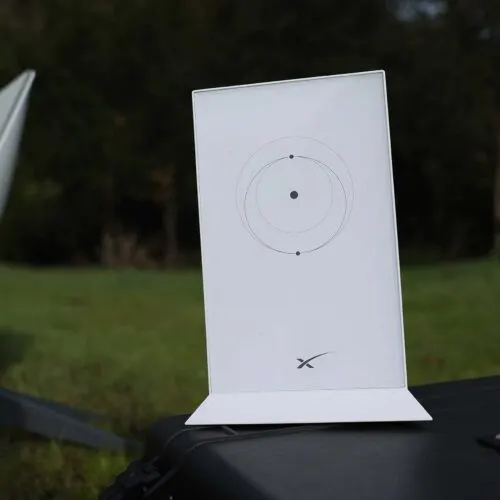
The Trump administration has granted SpaceX's Starlink an exemption from a Federal Communications Commission ban on foreign-made routers, allowing the company to continue selling its satellite internet routers despite some being manufactured outside the United States. The exemption, approved by the Department of War (formerly the Department of Defense), matters because it clears the way for SpaceX to keep bringing new router models to market, while other firms—particularly those with Chinese ties—face a tougher path to similar approval.
The FCC's updated Covered List bars consumer routers made even partly outside the US unless granted a specific exemption, and SpaceX's approval runs until 1 February 2028. Although some Starlink routers are stamped "Made in the USA" from a Texas factory, others are produced in Vietnam. SpaceX joins Netgear, which received the first exemption on 14 April, and Amazon, whose Eero and Leo satellite routers were also cleared; TP-Link, founded in China but now US-headquartered, has yet to secure one. The rule does not affect routers already approved before the change, and drone makers face a comparable process, with Chinese firm DJI having already sued the FCC over its ban.
In short
- SpaceX's Starlink routers exempted from FCC's foreign-made router ban
- Exemption approved by Department of War, valid until February 2028
- Some Starlink routers are made in Vietnam, not just the US
Steelman: both sides, in good faith
The strongest fair case each way — we don't pick a winner.
The case for
Supporters argue that Starlink is a critical American strategic asset requiring operational flexibility to maintain service continuity and competitiveness. They contend that SpaceX poses no genuine national security threat—being American-owned with an established track record serving military and government customers—and that strict application of manufacturing restrictions could undermine essential services including rural broadband and defence applications. They maintain that measured discretion in applying rules to trusted American companies represents reasonable policy-making that balances legitimate security concerns with practical operational requirements.
The case against
Critics contend that exempting Starlink whilst denying similar treatment to other companies appears arbitrary and motivated by political relationships, particularly given Elon Musk's proximity to the Trump administration. They argue that the ban's core purpose—ensuring supply chain security in critical infrastructure—is fundamentally undermined by granting exceptions based on political connections rather than objective security criteria. They insist that if foreign manufacturing genuinely poses risks, that rationale applies equally to Starlink, and selective enforcement raises serious fairness questions about whether rules apply consistently or only to politically favoured companies.
Explained simply
Regulators have grown concerned about foreign-made networking equipment and have introduced rules that limit sales of routers and similar devices manufactured outside the United States. The restrictions reflect worries about foreign involvement in communications infrastructure considered vital to national security.
SpaceX provides satellite internet through its Starlink service, selling routers alongside its broadband service to customers. Some of Starlink's routers are manufactured in Vietnam, whilst others are made in the United States, which creates complications under the new regulatory restrictions.
Manufacturers can seek exemptions from the restrictions, with decisions made on a case-by-case basis. Several companies including Amazon and Netgear have obtained exemptions allowing continued sales of their equipment, whilst others continue to face restrictions depending on regulatory assessment and other factors.
Celebrity Entertainment Space Technology