World news and discussion on TalkFuse.
Trump admin fires US attorney in Seattle minutes after he was appointed
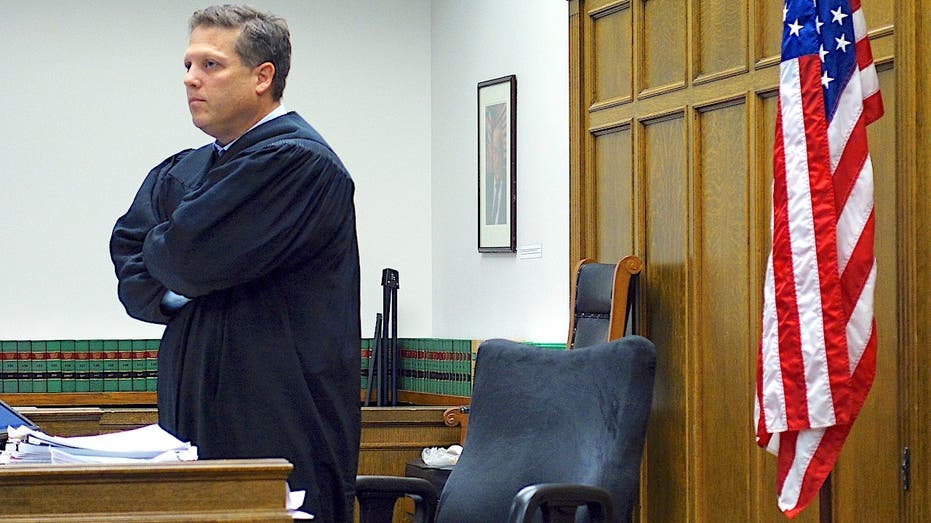
The Trump administration fired Roger Rogoff as the US attorney for the Western District of Washington in Seattle within less than an hour of his being appointed by federal judges, escalating a dispute over who has authority to fill the role. The clash reflects a broader tussle between the White House and federal courts over control of interim US attorney appointments, an issue that has surfaced in other districts where the administration has sought to sideline judicially-installed prosecutors it did not choose.
Rogoff had been appointed to the temporary post by district court judges in Seattle under a statutory provision allowing courts to fill vacancies when the administration's chosen nominee's interim term expires. The administration moved swiftly to remove him, underlining its determination to keep control of the appointment rather than accept the court's pick, though the article does not detail who the administration intends to install in his place.
In short
- Trump administration fired Seattle US attorney Roger Rogoff minutes after his court appointment.
- Judges had appointed Rogoff under a law allowing courts to fill prosecutor vacancies.
- Move reflects ongoing fight over control of US attorney appointments.
Steelman: both sides, in good faith
The strongest fair case each way — we don't pick a winner.
The case for
The President holds constitutional authority over executive officers, including federal prosecutors, who implement the administration's law enforcement priorities. Allowing courts to appoint prosecutors without presidential approval violates the separation of powers and the President's core constitutional duty to direct the Department of Justice according to its elected mandate.
The case against
Congress has statutorily authorised courts to fill vacancies when interim appointments expire, ensuring continuity in federal law enforcement operations. This represents a legitimate legislative backstop when the President's nominee lacks Senate confirmation, allowing qualified individuals to manage critical offices rather than leaving positions vacant or enabling the executive to sidestep the confirmation process.
Explained simply
A US attorney is a senior federal prosecutor leading the Justice Department office in a given region. They oversee criminal cases and civil lawsuits involving the federal government, making the position politically significant in how federal law is enforced locally.
US attorneys are normally nominated by the president and confirmed by the Senate, a process that can take months or years. Federal law allows judges to temporarily appoint someone to fill the role if no Senate-confirmed attorney is in place, preventing offices from going unstaffed during vacancies.
This appointment mechanism can create tension between the executive and judicial branches when they disagree about who should hold the role. The Trump administration has resisted judges' temporary appointments across multiple districts, viewing such appointments as encroaching on executive control of federal law enforcement.