Trump admin threatens Iran with ‘consequences’ as allies convene amid threats of post-election escalation
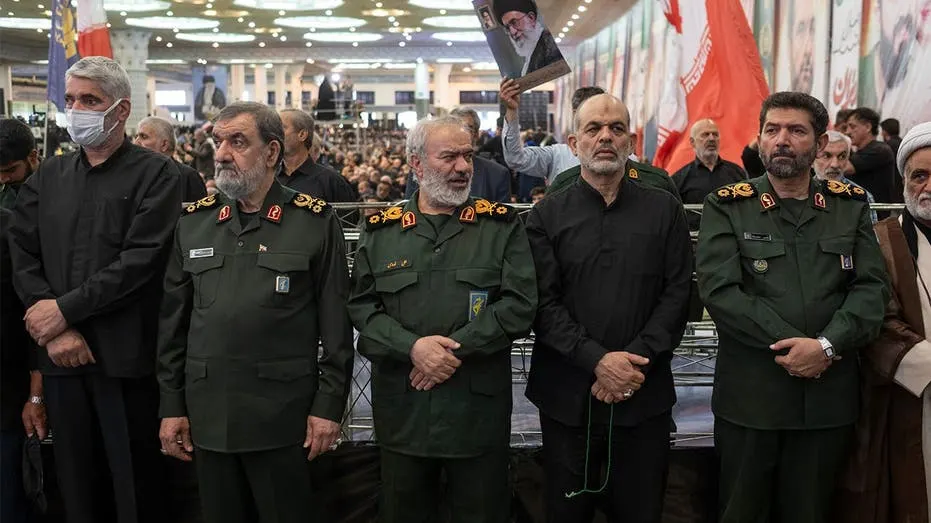
The Trump administration has warned Iran there will be consequences if it continues what it calls malign activities, as concern grows over a possible new round of hostilities after the US midterm elections. President Donald Trump has not decided whether to renew strikes, but US officials have reportedly urged regional partners to prepare for military action and possible Iranian retaliation.
US intelligence officials have warned of increased efforts to target American personnel, including plots described as advanced, while the State Department declined to discuss intelligence sharing. At a G20 foreign ministers’ meeting in Atlanta, Secretary of State Marco Rubio highlighted energy security, supply chains and freedom of navigation. The US also objected to Iran’s claim to collect fees from ships using the Strait of Hormuz, insisting international waterways should remain open and free from coercion.
In short
- The US warned Iran of consequences for continued hostile activity.
- Regional allies were reportedly told to prepare for possible strikes and retaliation.
- Washington says the Strait of Hormuz must remain open without tolls.
Steelman: both sides, in good faith
The strongest fair case each way — we don't pick a winner.
The case for
Supporters of a firm warning argue that Iran’s alleged threats to US personnel and pressure on shipping require deterrence, and that making the risk of consequences clear could prevent attacks. They also contend that keeping the Strait of Hormuz open protects freedom of navigation, energy security and international trade.
The case against
Those urging restraint argue that threatening renewed strikes, particularly when partners are asked to prepare for action, could intensify tensions and invite retaliation against US personnel or regional allies. They may favour diplomacy and transparent evidence over military pressure, while warning that escalation could disrupt the same shipping and energy flows the US says it aims to protect.
Explained simply
Iran and the United States have had a long-running dispute over Iran’s nuclear programme, regional influence and US sanctions. The two countries have no diplomatic relations, and tensions have at times led to direct military action and threats of retaliation.
The Strait of Hormuz is a narrow sea passage between Iran and Oman, linking the Gulf to the wider ocean. A large share of the world’s oil shipments travels through it, so disruption could affect energy supplies and shipping costs.
The US works with partners across the Middle East on security and the movement of ships. Iran has influence in the region and has objected to the US military presence there, while Washington says sea routes should remain open to international shipping.
Elections Middle East Politics World