Trump administration designates three far-left groups as violent terrorist networks under new sanctions
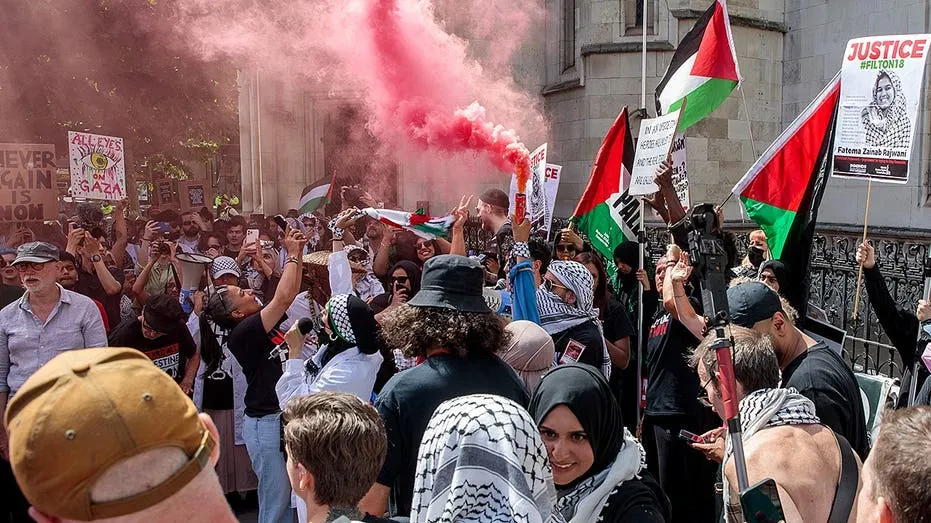
The US Treasury has imposed sanctions on three international groups it describes as far-left extremist networks: Italy-based Autistici Inventati, UK-based Palestine Action and Spain-based Masar Badil. The move forms part of the Trump administration’s wider campaign against politically motivated violence and is intended to restrict the groups’ access to US-based funds and financial services.
Treasury said the sanctions freeze any relevant US property or bank accounts and bar US citizens from transacting with the organisations; it also sanctioned two Masar Badil officials. Officials alleged that Autistici Inventati provided services to violent activists, while Masar Badil acted as a front for the already sanctioned Samidoun network; Palestine Action, founded in 2020, has conducted disruptive actions against defence firms and was reportedly linked by UK officials to more than $1.3 million in damage at an Elbit Systems site. Palestine Action co-founder Huda Ammori condemned the US action, and individuals mentioned in related investigations have denied wrongdoing.
- US sanctions target three groups accused of extremist activity.
- Measures freeze US assets and prohibit American financial dealings.
- Palestine Action condemned the designation.
New here? Start with this
US sanctions are measures that restrict access to property and financial services under US jurisdiction. They can block relevant assets held in the United States and prevent US citizens and businesses from carrying out transactions with named organisations.
The three groups named are based in Italy, the UK and Spain. Palestine Action campaigns against arms companies and has carried out disruptive protests; Masar Badil advocates for Palestinian rights, while Autistici Inventati is an Italian activist network.
The Treasury says its action is part of a wider effort against politically motivated violence and has made allegations about the groups’ activities and links. The designations affect their ability to use US financial services, while the groups and people connected to related investigations have disputed allegations or condemned the action.
Both sides, in good faith
The strongest fair case each way — we don't pick a winner.
The case for
Supporters could argue that sanctions are a proportionate way to disrupt organisations that authorities say enable politically motivated violence, cause major damage or channel support to already sanctioned networks. Restricting access to US funds and services may help prevent further harm while signalling that attacks and logistical support for them carry consequences.
The case against
Critics could argue that the designations risk treating disruptive protest and association as terrorism without publicly established evidence that each group directed or supported violence. Financial restrictions imposed by a powerful state can limit lawful political activity and impose serious costs, so they warrant clear criteria, strong evidence and meaningful avenues to challenge the decision.