Trump administration has paid back 60% of $165bn in tariff refunds
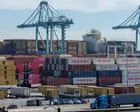
The Trump administration has refunded around $100bn (£74bn) of the $165bn collected through tariffs later ruled illegal by the US supreme court, according to reports cited by the Financial Times. The refunds relate to Donald Trump's "liberation day" tariffs, a central plank of his economic strategy since returning to office, which the supreme court partially struck down in February, forcing the government to repay affected companies. The issue matters because tariffs have not delivered the budgetary benefits Trump promised, with the federal deficit continuing to grow despite the additional revenue.
Customs officials reported the $100bn figure, representing 60% of the total owed, to the US court of international trade on Tuesday. The federal deficit reached $1.37tn in the first nine months of the fiscal year, up 2% on the same period last year. Separately, Trump imposed fresh tariffs of 10-12.5% on more than 80 countries last month under section 301 of the Trade Act, citing forced labour concerns, but this has triggered a lawsuit from 25 US states, including one led by New York attorney general Letitia James, who argue the levies are an unlawful attempt to replace the tariffs already struck down.
In short
- US has refunded $100bn of $165bn in illegal tariffs collected
- Federal deficit still rising despite tariff revenue, now $1.37tn
- 25 states are suing over Trump's new "forced labour" tariffs
Steelman: both sides, in good faith
The strongest fair case each way — we don't pick a winner.
The case for
Tariffs address legitimate concerns about trade imbalances and unfair practices, and the Supreme Court's technical ruling does not undermine their fundamental economic case. The federal deficit reflects multiple policy influences, and tariffs remain strategically valuable for protecting domestic industry and strengthening trade negotiating positions. The administration's new Section 301 tariffs represent a more targeted approach, specifically addressing forced labour and trade rule violations.
The case against
The tariff strategy has failed to deliver its promised economic benefits, with the federal deficit growing despite substantial tariff revenues, indicating failure to achieve stated fiscal objectives. The Supreme Court's decision reveals fundamental legal problems with the approach, and the new tariffs appear designed to circumvent that ruling—a concern validated by lawsuits from 25 states claiming their unlawful character. If tariff policy cannot survive legal scrutiny and fails to produce intended outcomes, persisting with new iterations suggests a strategy requiring fundamental reconsideration.
Explained simply
Tariffs are taxes on imported goods, usually paid by the companies bringing them into the country. President Donald Trump made broad tariffs on goods from many countries a key part of his economic policy after returning to office, saying they would raise money and support US businesses.
The US Supreme Court later ruled that some of those tariffs were unlawful. That left the government owing refunds to companies that had paid them, while raising questions about how much tariff revenue would remain available to reduce the federal deficit.
The administration has since introduced new tariffs under a different trade law, citing forced labour concerns. New York attorney general Letitia James and other state officials argue that the new levies also break the law, making the limits on presidential power over trade part of the wider dispute.
Americas Business Government Politics Software Technology World