Trump administration sanctions sitting president of the International Criminal Court for ‘abuses of power’
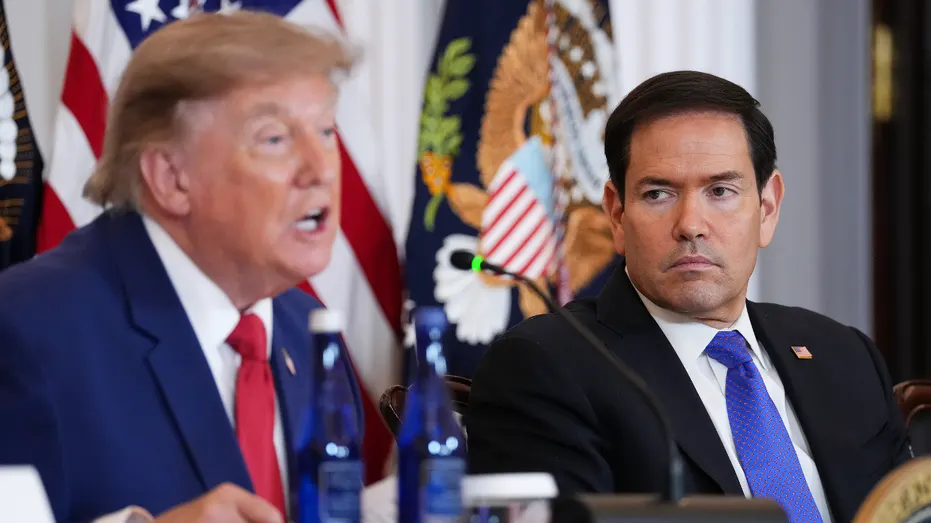
The Trump administration has imposed sanctions on two senior officials of the International Criminal Court (ICC), including its sitting president, as part of a broader campaign to weaken the institution. The move follows the ICC's investigations into alleged US war crimes in Afghanistan and its probe into Israel's conduct in Gaza, actions Washington views as an overreach of the court's jurisdiction and a threat to American sovereignty.
The sanctions were framed by officials as a response to what they described as "abuses of power" by the ICC. The administration, with Secretary of State Marco Rubio playing a leading role, has signalled its intent to dismantle the court's influence, arguing it lacks legitimate authority over the United States and its allies, including Israel.
- US sanctions two top ICC officials, including its president
- Move tied to ICC probes into Afghanistan and Gaza
- Part of Trump administration's push to weaken the ICC
New here? Start with this
The International Criminal Court is based in The Hague and prosecutes individuals accused of serious crimes such as war crimes and crimes against humanity. It is separate from the United Nations and relies on countries to co-operate with its investigations and arrest warrants.
The court’s reach is limited: it can investigate crimes linked to countries that have joined its founding treaty, or cases referred to it by the UN Security Council. The United States and Israel are not members, while Afghanistan and the Palestinian territories are within the court’s jurisdiction, which is why its investigations have drawn objections from Washington and Jerusalem.
The court is led by judges, including a president who represents the institution and helps oversee its work. The United States has long argued that the ICC should not investigate its citizens or those of its allies without their consent; sanctions are one way Washington can impose costs on people it accuses of acting improperly.
Both sides, in good faith
The strongest fair case each way — we don't pick a winner.
The case for
The Trump administration's supporters argue that the ICC lacks legitimate authority over non-member states and operates without meaningful accountability or due process safeguards. They contend the court has become politicised, selectively investigating powerful nations whilst ignoring others, and that its investigations into US and Israeli actions represent an overreach that threatens American sovereignty and security. From this perspective, sanctions are justified to protect national interests from an unaccountable international body pursuing ideologically-driven prosecutions.
The case against
Critics argue that sanctioning the ICC fundamentally undermines the rules-based international order and sets a precedent where powerful nations can intimidate courts investigating their conduct. They contend the ICC's mandate is legitimate, its investigations were properly initiated, and that if major powers successfully pressure the court through sanctions, the institution becomes meaningless for holding anyone accountable. From this view, defending international justice mechanisms—even when investigating one's own nation—is essential to preserving the legitimacy of multilateral institutions and the principle that no state is above the law.